




Why Forex Trading Can Feel Simpler Than Crypto
March 23, 2026
by Niels from Clicks and Trades Editorial Team

Why forex trading can feel simpler than crypto if you set it up right
If you are new to markets, crypto can feel wild and messy. Coins jump up and down, news moves fast, and every chart looks like a maze.
Forex trading can look scary at first too. You see words like pips, spreads, leverage, insider trading, jump trading, and your brain just shuts down.
But here is the nice surprise. With the right setup, forex trading can feel calmer and more simple than crypto, especially for a beginner.
 ### Forex has clear rules and a steady rhythm
Forex is one of the most liquid markets in the world. Big banks, funds, and governments trade it every day. The market runs 24 hours a day, 5 days a week, from Sunday evening to Friday evening, with four main sessions, such as London and New York, that follow the same pattern each week. This steady schedule makes it easier to build a simple routine and choose your best time to trade, instead of guessing when to jump in like short term crypto trading often feels for beginners.[^1]
[^1]: For example, see Forex trading sessions and best times to trade.
You do not have to sit in front of the screen all day. You can pick one market session, like London or New York, and focus on that. This helps you avoid pre market trading noise in other assets and keeps your day clean.
You do not need complex charts to begin
A big myth is that you must use ten indicators, tiny time frames, and a full day trading simulator right away. You do not.
To start, you mainly need:
- A safe routine, with set times you look at charts
- A basic plan that tells you when you enter and when you exit
- A simple tool to practice, like paper trading
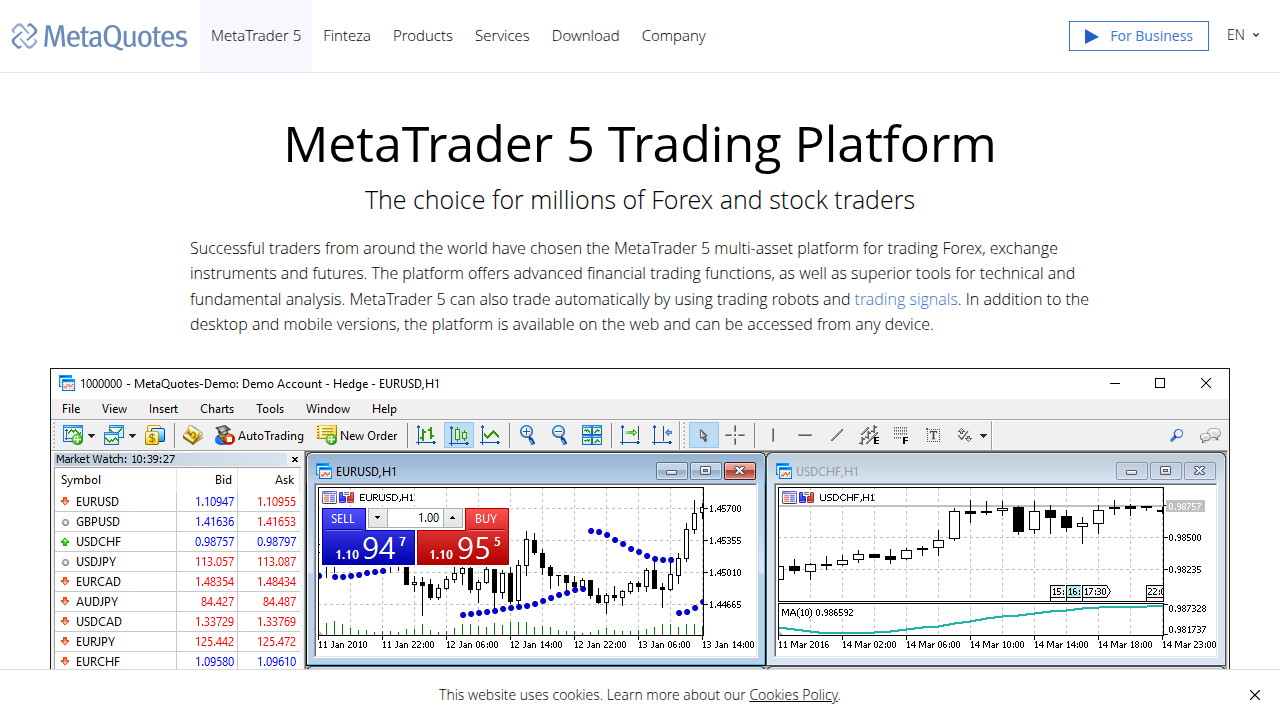
You can use a demo account on a platform like MetaTrader 5 or a tradingview paper trading setup to test your ideas with fake money first. This is called paper trading. It lets you learn pips, spreads, and leverage slowly, without fear of losing your cash.
If you like to practice very short moves, a calm day trading simulator can help you see how price behaves across sessions, before you ever touch real trades.
Structure beats noise
With forex trading, you can keep things very simple:
- Focus on a few major pairs
- Trade only during your chosen session
- Risk only a tiny part of your account per trade
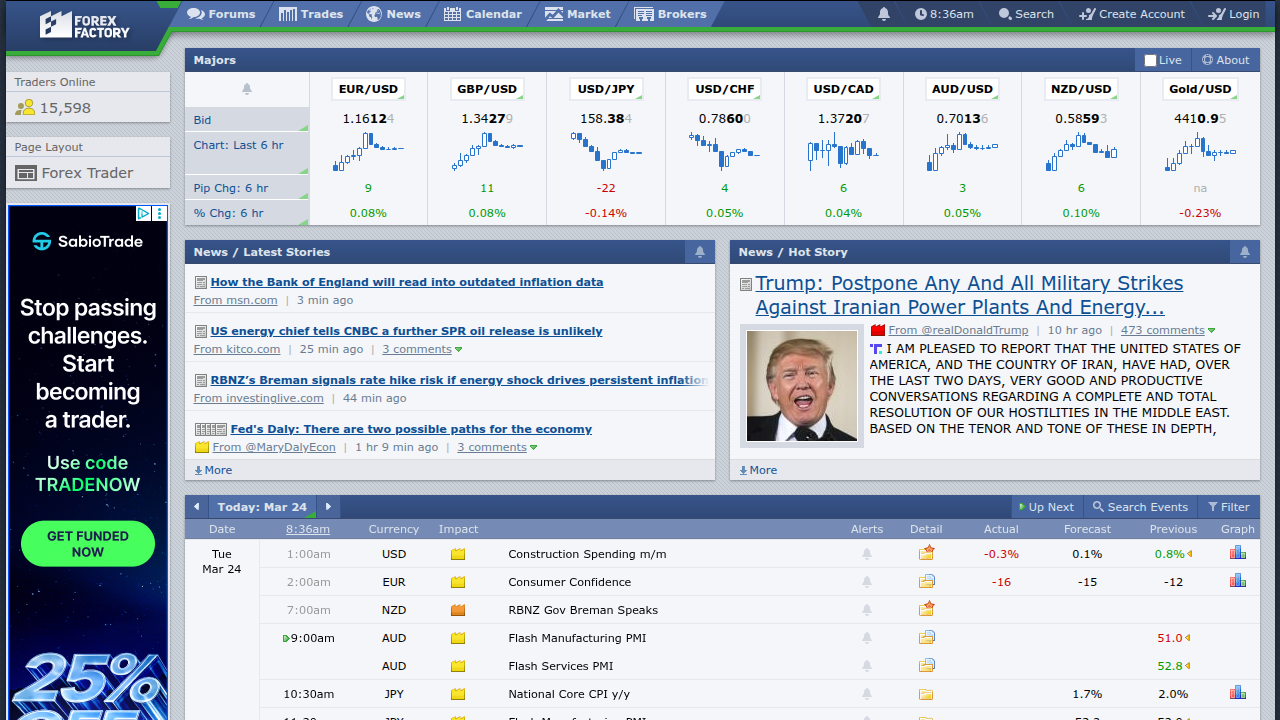
- Avoid random tips from forums like Forex Factory until you have your own rules
You do not need to chase every move or try every style, like jump trading or copying others. A clear structure helps you stay safe and calm.
If you also watch crypto, tools like Cryptocurrency Trend can help you see big crypto moves at a glance, without drowning in complex charts and influencer noise. That way, you can keep forex as your main, simple routine, and still track coins in a quiet, clear way.
If you want more slow, step by step help as you learn both forex and crypto, you can join the free Clicks and Trades newsletter. It shares easy tips, safety checks, and simple examples, so you do not feel lost.
When you are ready to build your own safe trading routine, you can also Sign up to stay updated with clear guides and calm market lessons.
Forex vs. Crypto: What Beginners Need to Know
If you like both forex and crypto, it can be hard to know where to start. They both move fast, both talk about charts, and both can feel scary.
Let’s break them down in a simple, side by side way so you can see which fits you better right now.
1. Market hours and structure
Forex trading
Forex runs 24 hours a day, 5 days a week, from Sunday evening to Friday evening. The week is split into four main sessions, such as Sydney, Tokyo, London, and New York. Each session has clear open and close times and follows the same pattern every week, which makes it easier to plan your screen time and build a routine.The forex market hours are well known and used by banks and funds all over the world.
Because so many big players trade forex, the major pairs usually have deep liquidity. This means tighter spreads and fewer wild jumps during normal times.
Crypto
Crypto trades 24/7. There are no fixed sessions and no “weekend close.” That can sound fun at first, but it also means:
- Big moves can happen while you sleep
- Different exchanges can have very different liquidity
- You can feel a need to check prices all day and night
If you already feel tired from watching short term crypto trading, forex can give you a bit more structure. You can pick one session, skip pre market trading noise in other assets, and ignore the rest.
If you still like to follow coins, a tool like Cryptocurrency Trend can help you see the big crypto moves at a glance, without getting lost in charts or hype. That way you can keep forex as your main calm plan, and watch crypto in a simple, clean way.
2. Risk, leverage, and how fast price moves
Forex trading
Most forex brokers offer leverage. This means you can control a larger position with a small account. For example, 1:30 or 1:50 leverage is common for retail forex in many places.
Leverage is not free money. It acts like a volume knob on both gains and losses. So even small moves in pips can turn into big swings in your account.
Used in a careful way, leverage lets you:
- Risk only a tiny part of your account per trade
- Take small, planned trades during your chosen session
- Grow slowly with clear stop losses
Used in a wild way, it can wipe you out very fast, just like bad insider trading tips or jump trading on random news.
This is why a simple routine with paper trading and a clear plan helps so much. Before you ever add real money, you can test entries and exits in a demo account on platforms like MetaTrader 5 or a tradingview paper trading setup. A gentle day trading simulator can also show you how price reacts when London opens or New York overlaps, without any stress.
Crypto
Many spot crypto trades have no formal leverage, but coins can move 5 to 20 percent in a single day even without it. That means your “no leverage” crypto trade can feel as wild as a high leverage forex trade.
On top of that, some crypto exchanges offer extreme leverage on futures. For a new trader, that mix of:
- 24/7 trading
- Thin liquidity on some coins
- Huge leverage options
can be a recipe for big stress and big loss.
So even though forex offers leverage, crypto often feels riskier in real life, mainly because of the speed and size of the price swings.
3. Tools and platforms
As a beginner, the tools you pick can keep you safe or pull you into noise.
- With forex, you can start very simple: a basic broker account, a demo on MetaTrader 5, and maybe a slow day trading simulator to learn sessions. You do not need a fancy Fidelity trading platform or a complex setup like you see on Forex Factory screenshots.
- With crypto, the platforms often push you toward more coins, more leverage, and more trades.
If you want calm, start with the least “flashy” tools you can find, and add only what you really need.
For extra step by step help on both forex and crypto, you can join the free Clicks and Trades newsletter. It shares clear safety tips and simple examples so you do not feel rushed into risky trades.
4. How to choose where to focus first
Here is a simple guide:
- If you want clear sessions, deep liquidity, and a set daily rhythm, forex trading is usually the better first home.
- If you love tech and are ready for big swings and weekend moves, crypto can be a side project, but you still need strict rules.
- You do not have to pick “forex or crypto forever.” You can start with one, build a safe routine, then slowly add the other.
You can also mix them in a calm way. For example:
- Use forex for your main planned trades during London or New York
- Use Cryptocurrency Trend or similar tools just to watch crypto trends, not to chase every spike
If you want someone to walk with you as you build that plan, you can Sign up for the free Clicks and Trades updates. They are written for real beginners, in simple language, so you can grow your skills without feeling lost.
The Core of Forex Trading: Pairs, Pips, Spreads, and Leverage (Explained Simply)
When you first open a forex chart, it can look like a secret code. EURUSD, tiny numbers, lines that jump up and down.
Let’s slow it way down so you know what you are looking at.
1. Forex pairs: base and quote currency
In forex trading, you always trade one currency against another. That is why you see pairs, like:
- EUR/USD
- GBP/JPY
- USD/JPY
Each pair has two parts:
- Base currency
- The first one in the pair
- Example: in EUR/USD, EUR is the base
- Quote currency
- The second one
- In EUR/USD, USD is the quote
The price tells you how much of the quote currency you need for 1 unit of the base currency.
For example:
- If EUR/USD is 1.1000, it means
- You need 1.10 US dollars for 1 euro
If the price moves from 1.1000 to 1.1050, that means:
- The euro got stronger
- Or the dollar got weaker
- Or a bit of both
You are not buying “just euro” or “just dollar”. You are always trading the relationship between the two.
This is part of why forex can move in a steady way during the main sessions, such as London and New York, when the biggest banks trade these pairs most.Forex market sessions help give that steady rhythm.
2. What is a pip?
A pip is a tiny step in price. You can think of it like a “point” in a game.
On most major pairs:
- A pip is the fourth decimal place
Example with EUR/USD:
- 1.1000 to 1.1001 is a move of 1 pip
- 1.1000 to 1.1010 is 10 pips
- 1.1000 to 1.1100 is 100 pips
Some pairs (like USD/JPY) are quoted with fewer decimals, but for now you can keep the idea simple:
A pip is a small step that helps you measure how far price moved.
When traders talk about wins and losses, they often talk in pips, not dollars. That makes it easier to compare trades, no matter the account size.
3. What is a lot?
A lot is the size of your position. It tells you how big your trade is.
Most brokers use:
- Standard lot
- 1.00 lot
- Often means 100,000 units of the base currency
- Mini lot
- 0.10 lot
- 10,000 units
- Micro lot
- 0.01 lot
- 1,000 units
You do not need to remember the unit counts like a school test. Just remember this:
Bigger lot size = more money per pip = bigger swings in your account.
With a small account, many beginners start with micro lots so each pip is worth only a few cents. This way, you can learn without the panic of huge jumps, even when you use tools like MetaTrader 5 or a tradingview paper trading chart.
 ### 4. Spread: your hidden “entry fee”
When you open your platform, you will see two prices for each pair:
- Bid (sell price)
- Ask (buy price)
The spread is the tiny gap between these two prices. It is one of the main ways your broker gets paid.
For example, if EUR/USD shows:
- Bid: 1.1000
- Ask: 1.1002
The spread is 2 pips.
What this means for you:
- If you buy at 1.1002, and price does not move at all, you could only sell at 1.1000
- You would be down 2 pips right away
- Price needs to move in your favor just to cover that spread
So when you plan a trade, you always keep the spread in mind. On major pairs during busy sessions, spreads are often very small. On less traded pairs or in quiet times, spreads can get wide, which can make short term trading harder.
5. Leverage: the volume knob on your risk
Most forex brokers let you use leverage. This means you can control a big position with a small account.
Common examples:
- 1:30
- 1:50
Leverage works like this:
- With 1:30 leverage, for every 1 dollar in your account, you can control up to 30 dollars in the market
- With 1:50, 1 dollar lets you control 50 dollars
This sounds great, but here is the key:
Leverage does not change how many pips price moves. It changes how many dollars each pip is worth for you.
So:
- Same move in pips
- Same pair
- Bigger leverage and lot size
- Much bigger money swing
Used with a small lot and tight risk, leverage helps you make calm, planned trades. Used with huge lots and no stop loss, it can wipe you out very fast, just like wild jump trading in short term crypto.
6. How pips, lots, spread, and leverage fit together
Think of a single trade like this:
- Pair: EUR/USD
- Lot size: how big your position is
- Pips: how far price moves
- Spread: the small cost to enter
- Leverage: how much of your account is used to control that lot size
A simple way to see it:
| Piece | Simple idea | Why it matters for you |
|---|---|---|
| Pair | Which two currencies you trade | Different pairs move and cost in different ways |
| Pip | Tiny step in price | Measures wins and losses |
| Lot size | How big your trade is | Changes how many dollars each pip is worth |
| Spread | Buy price minus sell price | Your built in “entry fee” |
| Leverage | Borrowed size factor | Makes money swings bigger or smaller |
You do not need a math degree. You just need to know that if you:
- Keep lot size small
- Watch the spread
- Use modest leverage
- Set clear stop losses
then each trade will feel calmer and easier to control.
7. How to practice this safely
Before you put real money in, it helps to see all this on a live screen without risk.
You can:
- Open a demo account on a simple platform like MetaTrader 5
- Use a paper trading or day trading simulator to place fake trades
- Watch how spreads change when London or New York sessions open
If you trade crypto as well, this practice will also help you spot the difference between structured forex sessions and wild short term crypto trading that runs all weekend.Myfxbook market hours can also show you when the main forex sessions are active.
If you like slow, clear tips in the same simple style as this guide, you can get more help by joining the free Clicks and Trades newsletter. It walks you through forex and crypto basics in small steps, so you can learn pips, lots, and leverage at your own pace.
When you feel ready to take the next step, you can also Sign up for free updates and extra examples that show how real trades are planned from start to finish, without insider trading tricks or hype.
Risk Management First: Position Sizing, Stop-Losses, and Drawdown Control
Have you ever had one bad trade that ruined your whole week or month?
That is not a chart problem. That is a risk management problem.
Big banks, brokers, and funds must have strong risk rules by law, not just by choice. For example, forex dealers are required to keep a clear risk management program to watch and control their exposure in the market.NFA risk management guidance
If the big players need risk rules, then we do too.
Let’s keep this very simple and very practical.
1. Pick your risk per trade
First, you choose how much you can lose on one trade.
You can set this as:
- A percent of your account
- A fixed dollar amount
Many trading coaches suggest risking 1 percent or less per trade for small accounts.Safe risk per trade guidelines
For example:
- Account: 500 dollars
- Risk per trade at 1 percent: 5 dollars
- Risk per trade at 0.5 percent: 2.50 dollars
This number is your seat belt. It means:
- One loss will not break you
- Ten losses in a row would still leave most of your account
- You can stay calm and follow your plan
You can start even smaller if you feel nervous. The key is to pick a number and keep it steady.
If you come from short term crypto trading, this will feel slow at first. But this slow style is what lets compounding do the work over many trades, instead of wild jump trading from one coin to the next.
If you like slow, steady learning, the free Clicks and Trades newsletter keeps the same calm tone and shows you step by step how to set risk in both forex and crypto without stress.
2. Use your stop loss as a “line in the sand”
A stop loss is a level on the chart where your trade closes if you are wrong.
 Think of it like this:
“If price hits this line, my idea was wrong. I am out, and I protect my account.”
Your stop loss should be based on:
- The chart, not your feelings
- A clear idea, like “below that support” or “above that high”
- Normal movement for that pair and time frame
Bad stop loss habits:
- Moving it farther away when price gets close
- Removing it “just for a minute”
- Not setting one at all
Good stop loss habits:
- Set it before you enter
- Place it where your trade idea is clearly broken
- Leave it alone, unless you move it to protect profit
You can practice this on:
- A day trading simulator
- A tradingview paper trading account
- A demo account in MetaTrader 5
With paper trading, you feel the pattern of loss and gain without real pain. You can make mistakes and adjust, just like training wheels on a bike.
3. Simple position sizing formula so you do not guess
Now we tie it all together.
You know:
- Your account size
- Your risk per trade in dollars
- Your stop loss distance in pips
From this, you can find your lot size.
Basic idea:
Lot size = (Money you risk per trade) ÷ (Pips to stop loss × value per pip)
Let’s walk through a simple example.
Say:
- Account: 500 dollars
- Risk per trade: 1 percent = 5 dollars
- Pair: EUR/USD
- Stop loss: 25 pips away
Step 1: Choose a trial lot size and see pip value
For EUR/USD:
- 0.01 lot is often about 0.10 dollars per pip
Step 2: Check the risk
- 25 pips × 0.10 dollars per pip = 2.50 dollars risk
If that is too small, you can raise lot size a bit:
- 0.02 lot is about 0.20 dollars per pip
- 25 pips × 0.20 = 5 dollars risk
Now:
- Lot size: 0.02
- Stop: 25 pips
- Risk: 5 dollars, which is 1 percent of your 500 dollar account
No guessing. No “I feel like 0.10 lot this time.” Just clear math.
More advanced guides on risk management in forex trading use the same basic logic, even when they add more steps.
You can test this position sizing in a demo on MetaTrader 5 or a paper account, so you see the numbers line up on real charts before you put in cash.
4. What is drawdown and why big losses hurt so much
Drawdown is how far your account falls from a past high.
For example:
- Account peak: 1,000 dollars
- Account after a bad month: 700 dollars
- Drawdown: 300 dollars, which is 30 percent
Here is the hard part:
If you lose 50 percent, you need a 100 percent gain to get back to even.
A simple table:
| Loss from peak | What you must gain to get back |
|---|---|
| 10 percent | 11 percent |
| 20 percent | 25 percent |
| 30 percent | 43 percent |
| 50 percent | 100 percent |
| 70 percent | 233 percent |
So when you take big risks:
- Recovering becomes much harder
- You feel pressure to “win it back”
- This pressure can push you toward crazy risk and even insider trading style gambles on rumors
Smart traders focus on never letting the hole get big in the first place.
That is why in 2026, so many serious plans for long term forex trading talk more about risk and drawdown than anything else.Risk management focus for retail traders
5. Why small fixed risk helps compounding
When you risk the same small percent each time:
- Losses get smaller as your account drops
- Wins get bigger as your account grows
- Your chart of account balance can curve up slowly over many trades
This is how compounding works:
- Protect the downside
- Let the upside build over time
This is the opposite of jump trading, where you throw big size at “hot” moves in pre market trading or short term crypto pumps. That style might feel fun, but it is almost impossible to keep a steady curve.
If you are tired of noise from random signals and wild calls, tools that focus on clear trends, not hype, can help you stay calm. Services like Cryptocurrency Trend are built for that calmer, big picture view, so you are not drowning in complex charts or influencer noise every day.
6. Practice your risk rules before you go live
Before you use real money, practice like this:
- Pick a risk percent per trade, for example 0.5 percent to 1 percent
- Place every trade with a planned stop loss
- Use a position sizing formula to set your lot size
- Track your drawdown on your paper account
Use a:
- Tradingview paper trading account
- MetaTrader 5 demo
- Any basic day trading simulator
Watch what happens over 20, 50, 100 fake trades. You will see that how you manage risk matters more than the “perfect” entry.
If you want slow, clear help as you test all this, you can follow along with the Clicks and Trades newsletter. It walks through forex trading and crypto basics in small, simple steps, always with risk control first.
When you feel ready to get more examples and guidance, you can Sign up for free. You will get calm, beginner friendly tips on setting stop losses, picking lot sizes, and keeping your drawdown small, so forex trading fits your life instead of taking it over.
Beginner-Friendly Strategies: Trend-Following, Breakouts, and Mean Reversion
Now that you know how to protect your account, you need simple ways to pick trades.
You do not need fancy tools or secret insider trading tips. You just need one clear idea that you can repeat.
Here are three beginner-friendly styles for forex trading:
- Trend-following
- Breakouts
- Mean reversion
You can test each one on a demo or paper trading account first, just like you would in a day trading simulator.
1. Trend-following: “Trade in the same direction”
Trend-following means you trade with the main move.
If price keeps making:
- Higher highs and higher lows, that is an uptrend
- Lower highs and lower lows, that is a downtrend
One very simple tool for this is a moving average. Many traders in 2026 still use moving averages as a base for trend-following, because they are clear and easy to read.Trend-following with moving averages
A basic plan:
- Pick one pair, like EUR/USD
- Add one moving average, for example 50-period, on the chart
- If price is above the line and you see higher highs and higher lows, only look for buys
- If price is below the line with lower highs and lower lows, only look for sells
This keeps you from jump trading every tiny move. You follow the big push instead.
You can check sites like Forex Factory for news times so you know when major events might shake the trend, but you do not need to copy every idea you see there.
 If you like a calm, trend-first view for crypto too, a tool like Cryptocurrency Trend can help you see the main direction without drowning in complex charts or hype. The same idea of “follow the clear move” works across both forex and short term crypto trading, as long as you keep your risk rules.
2. Breakouts: Trading moves from clear boxes
A breakout happens when price moves out of a tight range or breaks a strong support or resistance level.
Why this matters:
- Many traders place orders at those levels
- When price breaks, it can run fast as stops and new orders trigger
Breakouts are a classic part of many forex trading plans and are still seen as one of the most effective styles for major pairs in 2026.Breakout strategy basics
A simple breakout plan:
- Mark key support and resistance on your chart
- Wait for price to touch the level many times, so you know it is important
- Instead of trading the first poke, wait for a full candle close outside the level
- Place your stop loss just back inside the range
- Keep your risk size small, as you learned in the last section
Waiting for a close helps cut some fake-outs, where price jumps through the line then snaps right back.Breakout behavior at key levels
You can practice this in:
- A tradingview paper trading account
- A MetaTrader 5 demo
- Any basic day trading simulator
Set alerts at your levels. Then you do not need to sit in front of your screen all day, or chase wild pre market trading moves like you might see on a busy equity or fidelity trading platform.
If you enjoy step by step help, the free Clicks and Trades newsletter often shows simple chart examples of trends and breakouts, in both forex and crypto, in a very calm way.
3. Mean reversion: “Back to normal” with strong risk rules
Mean reversion means you bet that price will move back toward the middle of a range after it moves too far.
It can look very tempting:
- Price hits the top of a range, you sell
- Price hits the bottom, you buy
Many guides list mean reversion as a valid style, but they also warn that it needs very strict risk rules, because strong trends can break ranges and keep going.Mean reversion and risk
If you test mean reversion:
- Use it only on clear ranges, not on strong trends
- Avoid trading right into major news events, like rate decisions
- Keep your stop loss inside the range, not very far away
- Never add to a losing trade “just because it is cheaper now”
Mean reversion can blow up accounts when traders keep fighting a trend. It is extra risky if you mix it with jump trading, random social media calls, or crypto hype.
Start by testing it in paper trading only. Keep your size tiny, and stop right away if you find yourself hoping, not planning.
4. How to pick one style and practice it
You do not need to master all three at once.
You can:
- Pick trend-following or breakouts first
- Write 3 to 5 simple rules you can see on the chart
- Test them on a demo for at least 50 to 100 trades
- Track your drawdown, just like you learned before
If you like slow, simple learning, you can Sign up for the free Clicks and Trades newsletter. You will get calm, beginner friendly examples of trend-following, breakouts, and risk control, so forex trading feels clear and steady, not wild and stressful.
Choosing Timeframes and Sessions for Beginners
Many new forex trading traders think they must watch charts all day. You do not. You just need a calm plan that fits your life.
1. Pick a timeframe that fits your schedule
Use this simple guide:
- If you can check charts only a few times a day, try 4 hour or daily charts
- If you can check once an hour, try 1 hour charts
- If you sit at a screen for a few hours, you can test 15 minute charts
Fewer, higher quality choices are better than 50 fast, messy ones. Most solid strategies in 2026 work best when you wait for clear setups, not when you click all the time.Simple strategies that reward patience
You can test each timeframe first in paper trading, a tradingview paper trading account, or a day trading simulator, before you risk real money.
2. Trade the main sessions, not the sleepy times
Forex is open 24 hours on weekdays, but it does not move the same all day. For most beginners, the cleanest moves are when big markets are open:
- London session
- New York session
- The London and New York overlap, when both are open
In these times, you often see:
- Tighter spreads
- Clearer trends
- Stronger breakouts at key levels
Many trend and breakout plans work best on major pairs in these busy hours, because there is enough volume to move price in a steady way.Why active sessions help simple strategies
You can use Forex Factory to see when London and New York are open for you, and to mark big news that might shake price.
If you can trade only in very quiet times, keep your goals small. Avoid chasing jump trading moves like wild pre market trading in stocks or trying to copy every candle on a fancy fidelity trading platform.
3. Make a simple “when I trade” plan
Write one easy page:
- Which timeframe you use, for example 1 hour
- Which sessions you focus on, for example London and London / New York overlap
- How many trades you allow per day, for example 1 to 3 high quality setups
Then test that plan on a MetaTrader 5 or other demo account. Treat it like real money and track your results.
If you also watch short term crypto trading moves, try to use the same idea. Focus on clear times, not all day noise. A trend first tool like Cryptocurrency Trend can help you see the main market push without drowning in complex charts, so you can match your forex and crypto time to your real life.
If you like slow, step by step help with matching styles, timeframes, and sessions, you can use the free Clicks and Trades newsletter as a calm guide.
When you are ready to make this part of a clear routine, you can Sign up and get simple, chart based examples sent to your inbox, so choosing when to trade feels steady and sane, not random.
Simulators and Paper Trading: Practice Safely, Learn Faster
In forex trading, the biggest early risk is simple. You move real money before you know what you are doing.
Simulators and paper trading fix that.
They let you learn how price moves, how your plan works, and how you react, all with zero real risk. Good simulators in 2026 use live or near live data, clear charts, and fake money, so you can practice your plan in real style first.Modern simulators with real time data and smart tools
What is paper trading?
Paper trading means you place trades on:
- A demo account
- A forex or stock day trading simulator
- A tradingview paper trading setup
- A simple notebook where you log “pretend” buys and sells
You follow your rules, but you do not touch real cash.
This is perfect when you are still learning tools like Forex Factory, or when you test a new idea on short term crypto trading without fear.
If you like slow, step by step help, you can also join the free Clicks and Trades newsletter. It sends calm lessons that match what you learn in your practice, so you do not feel lost.
How simulators build real trading skills
Think of a flight simulator. A pilot learns to press buttons in the right order until it feels normal.
A good day trading simulator or forex demo does the same thing for you:
- You learn how to place orders
- You set stops and targets
- You size positions with a simple risk rule
- You see how spreads and news can move price
Guides on the best practice trading simulators show that the top tools now give real time data, virtual funds, and fast replay so you can test many days in a short time.
Here is what to focus on when you practice:
-
Entries
Wait for your clear setup, like you planned in your “when I trade” page. -
Stops
Place your stop where the trade idea is wrong, not where it “feels nice.” -
Position size
Risk the same small part of your account each trade, for example 1 percent.
You want muscle memory. You tap the same buttons in the same way every time, on a MetaTrader 5 demo, a basic web platform, or even a broker style app that feels like a fidelity trading platform.
Picking a simulator that fits you
You do not need the “best” tool on earth. You need one that is:
- Simple to use
- Close to what you will use with real money
- Free or very low cost
Good lists of free forex simulators show that most big brokers now have solid demo accounts with live prices.
Look for these parts:
- Same order types you will use live
- Clear charting, like on TradingView
- Easy history or “replay” so you can test more than one day per hour
- Stable app or web page that does not crash
If you plan to use MetaTrader 5 or another platform for real trades later, practice on that same platform now. Your hands and eyes will learn the screens.
Bridge from demo to real money
Paper trading is a tool, not a home. The goal is to move to real money in a careful way.
Use this simple path:
-
Start in pure demo
Trade your plan on a demo for at least 30 to 50 trades.
Track your result in a small log. -
Check your edge
- Did you follow your rules at least 80 percent of the time?
- Are you roughly break even or better over many trades?
-
Go to tiny live size
When you go live, keep the same rules and same routine.
Only change the size, for example:- Use micro lots in forex
- Use the smallest unit your broker allows
-
Watch two big changes
-
Slippage and fills
Live trades may not fill at your dream price, so note the small gaps. -
Your feelings
With real money, you may feel fear, greed, or FOMO.
You may want to “jump trading” into a move, like wild pre market trading in stocks.
Your job is to notice this, write it down, and still follow your rules.
-
-
Adjust slowly
If your plan holds up at tiny size, you can grow size in small steps.
Keep tracking fills and your mind state.
In short, let demo teach your skills, then let tiny live trades teach your psychology.
Common simulator traps to avoid
Even safe tools can hurt your progress if you use them in the wrong way.
Watch out for:
-
“Video game” trading
Taking 20 random trades per hour because fake money feels like a game. -
Changing rules every day
If you move your stop, target, or entry rules all the time in paper trading, you will not know what works. -
Copying news spikes for fun
Chasing high risk moves around news or trying to guess insider trading style jumps is not a real plan. -
Over focus on one asset type
If you love crypto, you might only do short term crypto trading on your simulator. Try to also test calm forex pairs, so you see a full picture.
When you feel lost or overwhelmed, a clear, trend first tool like Cryptocurrency Trend can help you see the main crypto push without drowning in complex charts or influencer noise. That way your forex trading practice and your crypto checks both stay simple and calm.
If you want gentle help turning these ideas into a real daily habit, you can Sign up for the free Clicks and Trades newsletter. It gives clear, step by step examples you can test first in paper trading, then in small live trades, so each move in your learning feels safe and steady.
Build a Simple Routine: Watchlist, Checklist, Journal, Review
In forex trading, random action hurts you more than a bad trade.
What saves you is a small, calm routine you repeat every day.
This routine has four parts:
- A short watchlist
- A pre trade checklist
- A simple journal
- A weekly review
Keep it light and steady. Like brushing your teeth.
1. Watchlist: 5 to 8 pairs you really know
Do not stare at every chart your platform gives you.
Pick 5 to 8 pairs and learn how they move.
Start with major pairs, for example:
- EUR / USD
- GBP / USD
- USD / JPY
- AUD / USD
These have tight spreads and lots of volume, so they are easier for new traders.
You can add one or two minors later, but skip very wild or thin pairs at first.
If you use tools like Forex Factory to see news, focus on the pairs that match the big news of the day. That way your watchlist and your news feed match.
Use the same list on your:
- Broker app or MetaTrader 5
- Any day trading simulator or demo
- Charts for TradingView paper trading
You want your eyes to know these pairs like streets in your own town.
If you also check bitcoin or other coins, a clean, trend first tool like Cryptocurrency Trend can help you see the main crypto move fast, without losing focus for your forex plan.
2. Pre trade checklist: 30 seconds, same steps
Before you click buy or sell, pause and run a tiny checklist.
This is how real risk programs work at larger firms, they use clear checks before risk is taken so they can keep losses in line with rules.Risk management rules for traders
Use a card on your desk, a note on your phone, or a template in your platform.
Your checklist can be:
-
Trend
- Is the trend up, down, or flat on your main time frame?
-
Level
- Is price near a clear level, like support, resistance, or a key zone?
-
Entry, stop, target, size
- Exact entry price
- Stop loss level where your idea is wrong
- Target level
- Position size that risks your small fixed percent per trade
-
Calendar check
- Any big news soon on Forex Factory for this pair?
- If yes, will you wait or trade smaller?
-
Screenshot
- Take a quick chart shot before entry
- Mark your entry, stop, and target
In live or demo, on a fidelity trading platform, MetaTrader 5, or web app, this same checklist keeps you from wild “jump trading” or chasing moves like noisy pre market trading in stocks.
3. Journal: one template for every trade
Your trading journal does not need many pages or fancy tools.
You just need one simple template that you fill in every time.
 Use a spreadsheet, a notebook, or notes inside your platform.
Key fields:
-
Date and session (London, New York, etc.)
-
Pair
-
Long or short
-
Entry, stop, target
-
Risk size (for example, 1 percent of account)
-
Result in pips and money
-
Screenshot link or note
-
One or two short lines:
- “What was the setup?”
- “Did I follow my rules, yes or no?”
Keep the notes short. You are building a record you can read fast later, not a book.
If you like gentle, step by step help, you can use the free Clicks and Trades newsletter as a guide. Read a lesson, practice it on your demo or tradingview paper trading, then log what you did. Let the journal show how each tip plays out in real price.
4. Weekly review: 30 minutes to get a bit better
Once per week, set a timer for 30 minutes.
Sit with your journal and charts. No live trading. Just review.
Look for:
-
Rule keeping
- How many trades fully followed your checklist?
- How many broke your rules?
-
Best and worst setups
- Which setups worked most often?
- Which ones failed again and again?
-
Risk and emotion
- Did you ever skip your stop?
- Did you trade just from fear or FOMO, like copying “insider trading” style spikes?
-
Clear tweaks
- One small rule to drop
- One small rule to keep
- One habit to try next week
This is how you slowly shape a real forex trading plan, like the step by step roadmaps some traders use to grow small accounts over time.Simple forex trading plans for growth
You do not need many changes each week. One or two is enough.
If you want calm support while you build this routine, you can Sign up for the free Clicks and Trades newsletter. It sends short, clear tips you can plug right into your watchlist, checklist, and journal, so your whole forex trading process stays simple and steady, even as the market moves.
Platform Basics for Beginners: What to Look For (and What to Avoid)
When you start forex trading, the platform you pick can quietly help you, or quietly hurt you.
Good tools make your simple routine easier. Bad tools push you into rush and noise.
Let’s keep it simple and look at three big areas.
1. Execution and costs: how your orders really work
You do not just want “pretty charts”. You want fair and clear fills.
Key things to check:
-
Spread vs. commission
- Some brokers use only spread, some use spread plus a small fee
- For beginners, a tight, steady spread on major pairs is more important than a tiny discount that jumps up in news
-
Typical slippage
- Slippage is how far your real fill is from the price you clicked
- A little is normal, but if your fills often slip a lot, your plan breaks
-
Order types you need
Make sure the platform has at least:- Market order, for quick in or out
- Limit order, to enter at a better price
- Stop order, for breakouts and stop losses
Most modern platforms, like MetaTrader 5, TradingView, and many web brokers, cover these basic orders and try to match real market prices as close as they can in 2026.Best forex trading platforms for 2026
If you are not sure yet, test fills and costs first in a day trading simulator or other paper trading tool. A good simulator lets you see spreads, slippage, and orders in action without real risk.Best day trading simulators to practice
2. Risk controls: built in safety rails
Your platform should help you protect yourself, not tempt you into “all in” bets.
Look for:
-
Easy stop loss and take profit
- You must be able to add stops and targets in one click when you place an order
- You should see the money risk in clear numbers, so you can follow your small percent per trade rule
-
Guaranteed stop loss (if offered)
- Some brokers offer “guaranteed stops” on some pairs
- These can cost a bit more, but they stop the trade at your price, even in a big gap
- Helpful if you tend to worry about “flash crash” type moves
-
Negative balance protection
- This rule means you cannot lose more than you put in
- Good for beginners, so one wild move does not put you in debt
-
Simple, clear margin rules
- The app should show margin used, free margin, and margin call levels without tiny fine print
- If you cannot quickly see “how much room do I have”, it is too complex
Strong risk tools are one reason to start on a trusted fidelity trading platform, or a major broker that gives both live and demo accounts with the same rules. Many top forex demo accounts in 2026 let you test margin and stops with fake money first.Best demo accounts to try platforms
3. Safety and usability: tools you can trust and understand
You will spend many hours with your platform. It must feel safe and simple.
Safety checks:
-
Reputable oversight
- Pick brokers and apps that are under well known regulators, not anonymous offshore sites
- Avoid anything that feels like secret “insider trading” tips or “guaranteed profit” ads
-
Reliable data and uptime
- Price feeds should not freeze in active times, like big Forex Factory news
- Charts should match what you see on other trusted sources most of the time
Ease of use:
-
Good demo or simulator mode
- A strong demo lets you link platform basics with your routine, your checklist, and your journal
- In 2026, some of the best simulators give real time data, virtual money, and clear stats, so you can learn without stress.Top trading simulators for practice
-
Clean layout on phone and desktop
- You should find your watchlist, orders, and journal notes fast
- Mobile alerts for price levels and news can help you avoid noisy pre market trading style chasing
-
Simple, honest design
- If the app feels like a casino, with bright pop ups and “jump trading” prompts, skip it
- If it feels calm and clear, it is easier to follow your rules
If you also like short term crypto trading on the side, try to keep that space simple too. A trend first tool like Cryptocurrency Trend can help you see the main crypto move in one clean view, so you do not drown in charts or hype while you stay focused on your forex plan.
For steady, gentle help with both forex trading basics and beginner friendly crypto steps, you can use the free Clicks and Trades newsletter. It gives short lessons you can test in your tradingview paper trading or demo account, then log in your journal.
When you are ready to build your own safe setup, from platform choice to daily routine, you can Sign up for that same free Clicks and Trades email. It will walk with you, one small step at a time, so you learn tools and risk control before you scale up real money.
Avoiding Noise: How to Evaluate Signals and Filter Influencers
You can have a nice forex trading plan, a clean MetaTrader 5 screen, and a calm mind.
Then one flashy “signal” post or loud “finfluencer” can push you into a rush trade.
 In 2026, many new traders say they regret money moves they made after seeing “hot tips” online.Financial finfluencer regret survey
So you need a simple check before you trust any signal or voice.
Red flags to watch for
If you see two or more of these, treat it as noise, not help:
-
Unverified PnL (profit and loss)
- Only screenshots
- No broker statement, no track record, no way to check
- Huge wins, zero losses
-
No risk details
- They show entry, maybe target, but no stop loss
- They never say how much percent they risk per trade
- They do not talk about drawdowns or bad weeks
-
Pressure to act fast
- “Buy now”, “last chance”, “this will fly in 5 minutes”
- They mock people who wait or do paper trading first
- They tie your worth to one trade, not to long term habits
-
Secret vibe
- Hints of “insider trading” style access
- Private chats that cost a lot, with no clear plan shared
- Promises of “no loss” systems
-
Lifestyle over learning
- More cars and trips than charts and rules
- Very little talk about Forex Factory news risk, margin, or drawdown
- No focus on the hard, boring parts of trading
Studies show that social media influencers can spread strong feelings and raise the power of misinformation, which makes it harder for normal users to think slow and calm.Influencer toxicity and misinformation
“Signal hygiene”: how to test any signal
Treat every new signal like food that might be dirty. You “wash” it first.
Ask three simple questions:
-
Where is the rule set?
- Can they explain the setup in plain steps?
- For example: “Trade only EURUSD in London session, after a pullback to moving average, with 1 percent risk.”
- If they say “I just feel it” or “I know when price wants to jump”, skip it.
-
Where is the sample size?
- You want to see many trades, not just one big win
- A clear log of at least a few months is better than a single “home run”
- Over time, honest traders show wins and losses
-
Where are the verifiable logs?
- Myfxbook, FX Blue, or broker reports
- Screens that match time, pair, and price you can also see in your own day trading simulator or TradingView paper trading
- If nothing lines up, treat it as a story, not data
You can copy a few of their “best” setups into a demo or paper trading account and test them for 20 to 50 trades. That is real signal hygiene. You see if it fits your own platform, like a fidelity trading platform or MetaTrader 5, and your own risk rules before you ever touch real money.
If you also look at short term crypto trading and feel lost in loud calls, a trend first tool like Cryptocurrency Trend can give you calm market summaries without hype. It focuses on clear trends and simple context, so you are not pushed into jump trading just because an influencer shouts.
Build your own quiet filter
Here is a tiny checklist you can keep near your screen:
- “Do they show real risk, not just gain?”
- “Can I write their rules in one short paragraph?”
- “Have I tested this in a demo or day trading simulator?”
- “If this trade fails, will I still be safe?”
If any answer is “no”, you wait. You go back to your own forex trading plan, your journal, and your tested tools.
If you want short, calm lessons that help you spot real signals and ignore noise, the free Clicks and Trades newsletter can walk with you. It gives simple ideas you can test in TradingView paper trading or a demo, both for forex and beginner friendly crypto steps.
When you feel ready to get steady, gentle help with filtering influencers and building your own rules, you can Sign up for that same free Clicks and Trades email. It keeps you focused on clear habits and risk control, not on the loudest voice in your feed.
Summary
This article explains why forex trading can feel more manageable than cryptocurrency trading for beginners when approached with the right setup and mindset. It covers the fundamental structure of the forex market, including its predictable trading sessions, clear rules, and deep liquidity across major currency pairs. The guide walks readers through essential concepts like pips, spreads, leverage, and lot sizing in plain language, then shows how to apply strict risk management using position sizing, stop-losses, and drawdown control. It introduces three beginner-friendly trading strategies—trend-following, breakouts, and mean reversion—and emphasizes the importance of testing ideas through paper trading and simulators before risking real money. The article also provides a practical daily routine framework including watchlists, pre-trade checklists, journals, and weekly reviews, and offers guidance on choosing safe, easy-to-use platforms. Finally, it helps readers filter out influencer noise and unreliable signals by focusing on verifiable track records, clear rules, and their own tested plans, making forex trading feel calm, structured, and accessible.
