




Understand Your AI Trading Platform Make Smarter Crypto Decisions
April 19, 2026
by Niels from Clicks and Trades Editorial Team

Imagine trying to trade cryptocurrencies or stocks. It can feel like you’re lost in a loud crowd, right? There’s so much complex information, confusing charts, and tons of people on social media telling you what to do.

This "influencer noise" often makes it hard to know what’s real and what’s just hype, leading to stress and making it tough to make smart choices. Many people actually feel overwhelmed and uncertain about their trading decisions.
But what if there was a smart helper? This is where an ai trading platform comes in. In 2026, artificial intelligence (AI) is a big deal, showing up everywhere, including how we trade assets like crypto and stocks 1.

It’s becoming a key part of how trading decisions are made, acting like a super-fast trading assistant 2.
This guide is different because it will cut through all that noise. We’ll show you how an ai trading platform actually works, in simple terms. No confusing jargon, no hype. We want you to understand how to use ai for trading safely and wisely. Think of AI as a tool that can help you understand market trends without getting lost in complex charts, making it a key part of choosing the best options trading platform for crypto. It’s about giving you clear views of price movements and market signals. Some folks even look for an ai crypto trading bot free to get started. We’ll cover all this, focusing on making sure you feel confident and calm. If you want even more step-by-step help and safety tips for crypto, our friends at Clicks and Trades offer a great free newsletter 3.
For more simple advice and to keep learning about crypto safely, we invite you to Sign up for the free Clicks and Trades newsletter.
How AI trading platforms actually work — a plain-language breakdown
So, how does this smart helper, this ai trading platform, actually work its magic? Think of it like a very clever student who never gets tired. It follows a few simple steps to help you trade cryptocurrencies or stocks. It’s truly a powerful trading assistant that can handle a lot of information quickly 1.
Here’s the simple breakdown:
- It Gathers Information: First, the AI trading platform takes in huge amounts of data. This includes things like how prices have moved in the past, news headlines, and even what people are saying on social media. It collects all this "raw food" for its brain. Think of it as reading every newspaper, watching every news channel, and checking every social media post about the market, all at once! This data is key for any AI system to learn and make decisions 2.
- It Thinks Fast: Next, the AI’s special computer brain, called an algorithm, looks at all that information. It searches for patterns, connections, and clues that a human might take days or weeks to find. It does this super fast, often in a blink. This is the heart of ai for trading, finding what’s important in the noise.
- It Makes a Move: After "thinking," the AI does one of two things:
- Gives a Signal: It might tell you, "Hey, I see a pattern that usually means this stock’s price will go up soon." This is a helpful tip, and you still decide what to do.
- Takes Action: Or, if you set it up that way, it can automatically make a trade for you. For example, it could buy a crypto coin if it sees a strong buying signal. Some people look for an ai crypto trading bot free to try this out.
Different Kinds of Smart AI
Not all AI is the same. There are a few main ways these platforms get smart:
- Simple Rule Followers: This is the easiest kind. You tell the AI, "If the price of Bitcoin goes up by 5% in an hour, sell it." The AI just follows these clear rules. It’s like giving your helper a list of chores.
- Learners from History: This type of AI is more advanced. It studies tons of old market data to learn what usually happens before a big price change. It tries to spot similar patterns now to predict what might come next. This is called machine learning, and it helps the AI provide smart signals for your trading decisions 3.
- Learners by Doing: This is the smartest kind. Imagine the AI playing a game of trading. It tries different things, sees what works and what doesn’t, and learns from its successes and mistakes. Over time, it gets really good at making decisions on its own. It’s like teaching a robot to ride a bike; it falls a few times but eventually gets the hang of it.
By using these different ways of thinking, an ai trading platform can help you understand market trends and make more informed decisions without getting lost in all the complex charts and overwhelming data. It’s a tool that can make trading less stressful. For more simple advice on understanding market movements and making clear choices, you might find our article on what is XRP and why it exists helpful.
Want to learn more simple steps for safe crypto trading? For extra tips and clear guidance, we invite you to Sign up for the free Clicks and Trades newsletter.## How AI trading platforms actually work — a plain-language breakdown
So, how does this smart helper, this ai trading platform, actually work its magic? Think of it like a very clever student who never gets tired. It follows a few simple steps to help you trade cryptocurrencies or stocks. It’s truly a powerful trading assistant that can handle a lot of information quickly 1.
Here’s the simple breakdown:
- It Gathers Information: First, the AI trading platform takes in huge amounts of data. This includes things like how prices have moved in the past, news headlines, and even what people are saying on social media. It collects all this "raw food" for its brain. Think of it as reading every newspaper, watching every news channel, and checking every social media post about the market, all at once! This data is key for any AI system to learn and make decisions 2.
- It Thinks Fast: Next, the AI’s special computer brain, called an algorithm, looks at all that information. It searches for patterns, connections, and clues that a human might take days or weeks to find. It does this super fast, often in a blink. This is the heart of ai for trading, finding what’s important in the noise.
- It Makes a Move: After "thinking," the AI does one of two things:
- Gives a Signal: It might tell you, "Hey, I see a pattern that usually means this stock’s price will go up soon." This is a helpful tip, and you still decide what to do.
- Takes Action: Or, if you set it up that way, it can automatically make a trade for you. For example, it could buy a crypto coin if it sees a strong buying signal. Some people look for an ai crypto trading bot free to try this out.
Different Kinds of Smart AI
Not all AI is the same. There are a few main ways these platforms get smart:
- Simple Rule Followers: This is the easiest kind. You tell the AI, "If the price of Bitcoin goes up by 5% in an hour, sell it." The AI just follows these clear rules. It’s like giving your helper a list of chores.
- Learners from History: This type of AI is more advanced. It studies tons of old market data to learn what usually happens before a big price change. It tries to spot similar patterns now to predict what might come next. This is called machine learning, and it helps the AI provide smart signals for your trading decisions 3.
- Learners by Doing: This is the smartest kind. Imagine the AI playing a game of trading. It tries different things, sees what works and what doesn’t, and learns from its successes and mistakes. Over time, it gets really good at making decisions on its own. It’s like teaching a robot to ride a bike; it falls a few times but eventually gets the hang of it.
By using these different ways of thinking, an ai trading platform can help you understand market trends and make more informed decisions without getting lost in all the complex charts and overwhelming data. It’s a tool that can make trading less stressful. For more simple advice on understanding market movements and making clear choices, you might find our article on what is XRP and why it exists helpful.
Want to learn more simple steps for safe crypto trading? For extra tips and clear guidance, we invite you to Sign up for the free Clicks and Trades newsletter.
When you’re ready to pick an ai trading platform to help you, it’s like choosing a good helper for a big task. You want one that’s smart, safe, and easy to understand. Especially as a beginner, knowing what to look for can save you a lot of trouble and help you make better choices in 2026. The best platforms for beginners will focus on making things simple and clear for you, often with easy-to-use interfaces and helpful guides 1.
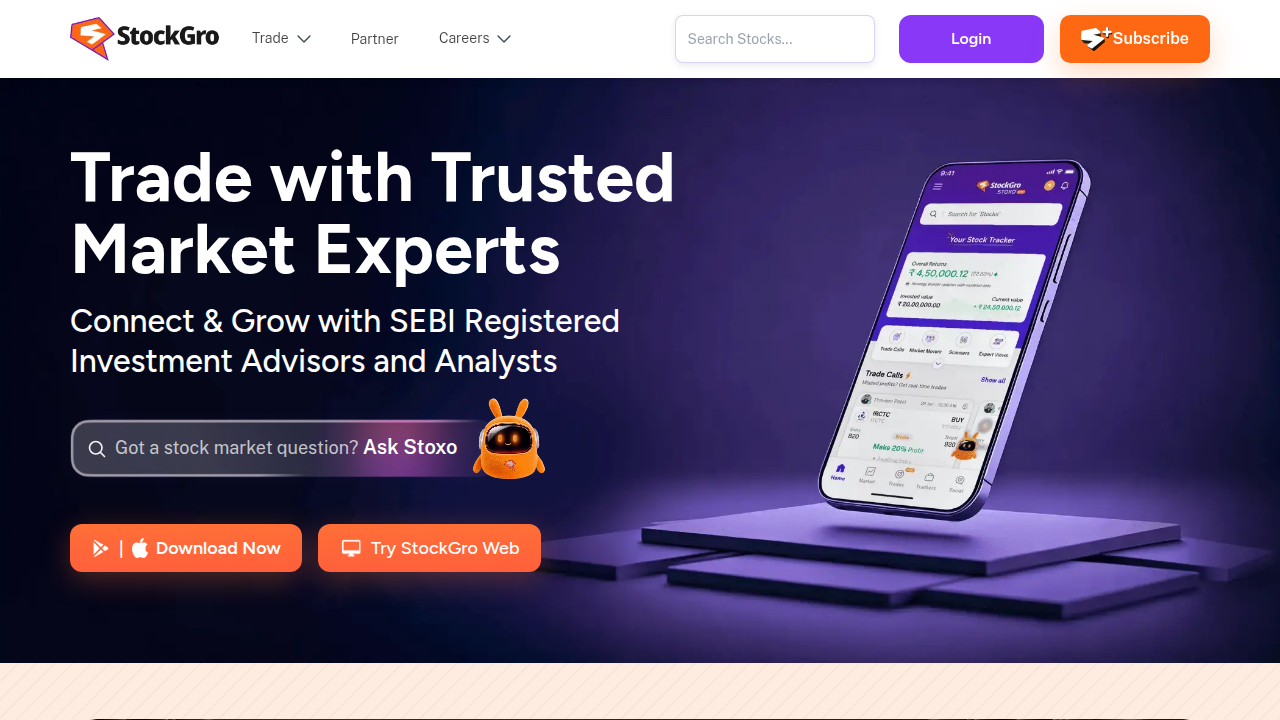
Here are the important things your trading assistant should have:
- Easy to Understand (Explainability): You shouldn’t need a special dictionary to use it. A good ai trading platform will show you clearly why it’s suggesting a trade or making a move. It shouldn’t feel like a "magic black box" where you don’t know what’s happening. Look for platforms that offer clear interfaces and guidance, which many people appreciate, especially if they are looking for an ai crypto trading bot free to try out 2.
- Safety Checks (Risk Controls): Trading can be risky, so your AI needs ways to protect you. This means features like "stop-loss" orders, which automatically sell something if its price drops too much, limiting how much you can lose 2. It should also let you set limits on how much money it can use or how many trades it can make. Many platforms today help you manage risk 3.
- Practice with Old Data (Backtesting): Imagine practicing a game before playing for real. Backtesting lets the ai for trading try out its strategies using past market data. This shows how well it would have done without risking real money. It’s a smart way to check if a strategy is good before you use it 1.
- Simple Look and Feel (User Experience): An easy-to-use platform will have a clear layout and simple buttons. You don’t want to get lost in complicated charts or menus. Many top platforms for 2026 are built with beginners in mind, offering straightforward designs 4.
Red Flags to Watch Out For
Just as there are good things to look for, there are also signs that an ai trading platform might not be right for you:
- "Secret Sauce" Claims: If a platform says its AI is super special and can’t explain how it works, that’s a red flag. You should always be able to understand the basics of what your trading assistant is doing.
- Promises of Huge, Fast Money: No AI can guarantee you’ll get rich quickly. If a platform makes unrealistic promises about big profits, be very careful. Trading always has risks 5, and anyone claiming otherwise isn’t being honest.
- No Way to Check Its Work (Missing Auditability): You should be able to see a record of the AI’s past decisions and how it performed. If a platform hides this, it’s hard to trust it.
Choosing a good ai trading platform means finding one that is transparent, safe, and built for people who are just starting out. It’s like finding a trusted teacher for your first steps in the market.
For more guidance on picking the right tools, especially for different types of trading, you might find our article on how to choose the best options trading platform for crypto useful, even if you are not doing options trading right now.
Want simple tips to make smarter choices in crypto? Learn more about clear views of price movement, market trends, and major market signals with the free Clicks and Trades newsletter for easy-to-understand advice and safety tips. Sign up today!
So, you’ve picked an ai trading platform. Great! Now, let’s talk about how to get it going safely. Setting up your new trading assistant is not as hard as it sounds, but there are some important steps to protect your money and make sure you understand what’s happening.
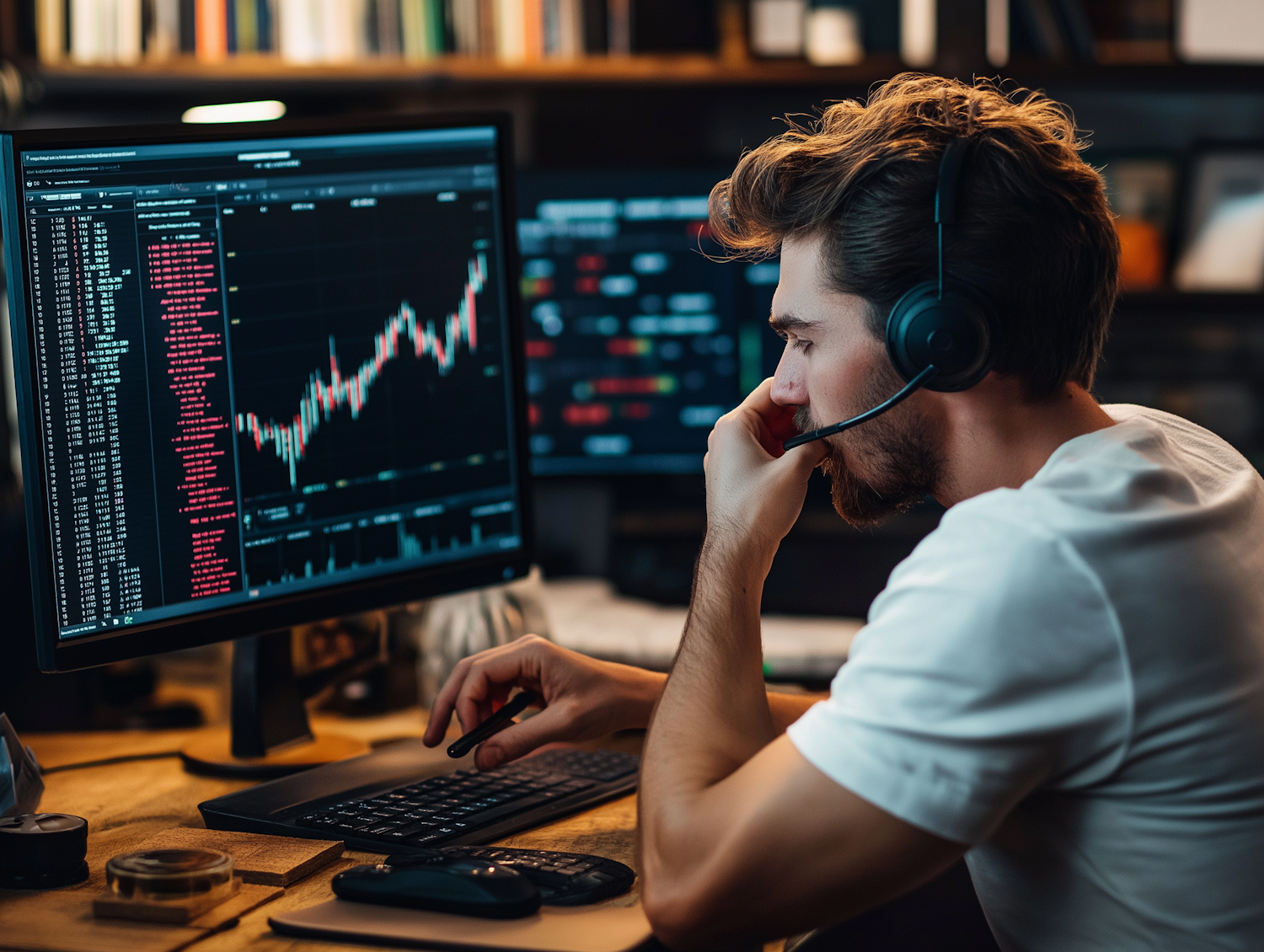
Simple Steps to Start
- Account Setup: First, you’ll create an account, much like any other online service. This usually means giving some personal details for identity checks, often called "Know Your Customer" or KYC. These checks are very common in 2026 and help stop bad things like money laundering in the financial world 7.
- API Keys (If Needed): Some advanced ai for trading platforms might ask you to connect them to your crypto exchange using something called API keys. Think of these as special digital keys that let the AI platform talk to your trading account. Make sure to follow the platform’s guide very carefully when setting these up. Simpler platforms or an ai crypto trading bot free trial often don’t need them.
- Practice First (Sandbox/Backtesting): Before you use any real money, always, always start with a practice mode, sometimes called a "sandbox" or "demo account." This is where you can use the backtesting feature to see how your ai trading platform would have done with old market data 6. It’s like playing a game with fake money to learn the rules and check if your strategies work. This is a must-do step!
- Start Small: When you feel ready to use real money, start with a very small amount. You’re still learning, so don’t rush into big trades.
Operational Safety: Keep an Eye on Things
Now, let’s talk about keeping things safe once your ai trading platform is running.
- Set Position Sizes: Tell your trading assistant how much money it can use for each trade. Don’t let it use all your money at once. This limits how much you can lose on any single trade.
- Stop-Loss Rules: Always set stop-loss orders. This is a rule that tells the ai trading platform to automatically sell an asset if its price drops to a certain point. It’s an emergency safety switch 5 that helps prevent big losses. If you’re wondering what to do during big price drops, you might find our guide on what to do before you panic sell helpful.
- Timeframes: Decide when your AI can trade. Maybe you only want it to trade during certain hours or on certain days. You might not want it trading 24/7 without you looking.
- Monitor Regularly: Even with an AI, you need to check in. Look at what your trading assistant is doing. Is it following your rules? Is it making trades you understand? Staying updated on market trends and safety tips is always smart. You can find clear views of price movement and market signals with the free Clicks and Trades newsletter.
Using an ai trading platform can be very helpful, but being smart and careful with its setup and ongoing use is key. Remember, you’re still in charge. Keep an eye on your trades and learn along the way.
If you want simple tips to make smarter choices in crypto, consider signing up for the free Clicks and Trades newsletter. It offers easy-to-understand advice and safety tips, helping you get clear views of price movement and market trends. Sign up today!
After you’ve got your ai trading platform set up and understand the safety rules, it’s good to know how these smart tools actually make decisions. Your trading assistant isn’t just guessing. It uses special "game plans" or strategies to try and make good trades. Let’s look at some common ones in simple terms.
Common AI Trading Strategies Explained in Plain Language
Think of these strategies as different ways your ai for trading looks at the market. Different strategies work best in different situations.
-
Momentum Trading: Following the Crowd
- What it is: This strategy is like jumping on a moving train. If a price is going up quickly, the AI might buy it, hoping it keeps going up. If a price is falling fast, it might sell. It tries to ride the wave of market movement [sources: 1, 2].
- When it tends to work: This works well when markets have strong, clear trends, either going steadily up or steadily down.
- Limitations: The problem is, trends don’t last forever. If the market suddenly changes direction, a momentum strategy can lead to quick losses. It needs fast reactions.
-
Mean-Reversion: Prices Bounce Back
- What it is: This strategy believes that prices often go back to their average over time [sources: 3, 4]. So, if a price drops a lot and seems "too low," the AI might buy, expecting it to go up again. If a price goes "too high," it might sell, expecting it to come back down. It’s like a rubber band that snaps back to its normal length.
- When it tends to work: This works best in markets that aren’t trending strongly, but instead move sideways or "bounce around" a lot.
- Limitations: If a strong new trend starts, the price might not revert to its old average, leading to losses. It requires patience and a belief in the market’s "normal" state.
-
Signal Aggregation: Many Clues Are Better Than One
- What it is: Instead of just looking at one thing, this type of ai trading platform takes many different clues (or "signals") from the market and combines them. It might look at price movements, how many people are buying or selling, news, and other data points. It tries to build a fuller picture before making a trade.
- When it tends to work: By using more information, these strategies can sometimes make more balanced and robust decisions, potentially reducing risks that come from relying on just one type of information.
- Limitations: These can be more complex to understand. If you’re using an ai crypto trading bot free trial, you might not always know why it made a specific trade, as many clues went into the decision.
-
Volatility-Aware Strategies: Knowing When to Be Careful
- What it is: Volatility simply means how much prices jump up and down. A volatility-aware strategy pays attention to this. If the market is super jumpy and prices are swinging wildly, the AI might trade smaller amounts, or even stop trading for a bit. If the market is calm, it might trade more.
- When it tends to work: This helps manage risk because it tries to avoid big trades during very uncertain or chaotic times.
- Limitations: Sometimes, being too cautious can mean missing out on big opportunities when the market starts to calm down or make a big move.
Understanding these different ways an ai trading platform can operate helps you pick one that fits your comfort level and market goals. Some platforms even let you choose which strategy your AI uses. It’s like choosing the right tool for the job.
For simple tips to make smarter choices in crypto, consider signing up for the free Clicks and Trades newsletter. It offers easy-to-understand advice and safety tips, helping you get clear views of price movement and market trends. Sign up today!
You’ve learned that your AI trading platform uses different game plans, or strategies, to try and make good trades. That’s smart! But even the smartest tools have their limits, and the world of AI trading also has its own share of risks and folks trying to trick you. It’s super important to know about these things so you can stay safe and make good choices.
Risks and Limitations of AI Trading Platforms
Think of an AI for trading as a super-fast learner. Here are some of the tricky parts:
- Overfitting: Imagine your trading assistant studied for a test only by memorizing the answers from one old test. It would do great on that exact test, but what if the new test had different questions? That’s overfitting. The AI might work perfectly on past market data but fail when the market acts a bit differently in the future.
- Model Drift: The market is always changing, like shifting sands. What worked last year might not work today. This is called "model drift." Over time, the AI’s old rules stop being as helpful because the market has moved on. The AI needs constant checking and updates to keep up.
- Bad Data In, Bad Decisions Out: An AI trading platform is only as good as the information it gets. If the data it uses is wrong, incomplete, or old, the AI will make bad trading decisions. Garbage in, garbage out, as they say!
- Exchange Risk: This is about the place where your AI actually makes the trades. If the crypto exchange or trading platform itself has problems, like security issues or technical glitches, your money could be at risk. It’s why regulators are working to make sure these platforms follow rules, like checking who you are to stop money laundering [treasury.gov, law.duke.edu]. Some even consider "circuit breakers" to pause trading if things get too wild [fdic.gov].
- Counterparty Risk: In some types of trading, you’re trading directly with another person or group. "Counterparty risk" means that the other side might not keep their promise. While AI often trades on exchanges, it’s a general risk in financial markets to be aware of.
How to Avoid Scams and Misleading Claims
With so many new AI tools out there, it’s easy to get confused or even fall for scams. Here’s how to protect yourself:
- Be Wary of Big Promises: If an "ai crypto trading bot free" offer or any AI trading platform promises you super-fast, guaranteed riches with no risk, that’s a huge red flag. Real trading always has risks, and no one can guarantee huge profits. If it sounds too good to be true, it probably is.
- Do Your Homework: Always check who is behind the AI trading platform. Is it a known company? Can you find real reviews? Transparency is key. You want to know that the financial tool has been tested for how well it works and how true its claims are [commons.stmarytx.edu].
- Look for Third-Party Audits: Some reputable platforms will have independent groups check their systems and strategies. This is like having an outsider verify that everything is fair and working as it should. Rules are being discussed even now, in 2026, to help make sure these systems are registered and transparent [comments.cftc.gov].
- Understand What You’re Using: Especially with an "ai crypto trading bot free" trial, make sure you understand how it works and what it’s supposed to do. Don’t just hand over your money or access without understanding the setup. To choose the right platform, you might find it helpful to learn about what makes a good trading tool in general, like when choosing the best options trading platform for crypto.
- Stay Informed: The world of crypto and AI changes fast. Keep learning so you can spot what’s real and what’s not. For example, understanding what is XRP or even just the basic crypto meaning can help you be a smarter user.
Navigating the world of an ai trading platform means being smart and cautious. It’s about knowing the powerful things these tools can do, but also understanding where they might fall short or where dangers lie. For more simple tips to make smarter choices in crypto, consider signing up for the free Clicks and Trades newsletter. It offers easy-to-understand advice and safety tips, helping you get clear views of price movement and market trends. Sign up today!
Okay, you’ve learned about the smart things an AI trading platform can do and the traps to watch out for. Now, let’s talk about how to actually use the signals from an AI to make calm, good choices. It’s about being smart, not just fast.
How to Interpret AI Signals and Make Calmer, More Confident Decisions
An AI for trading can give you many signals, but what do they all mean? Think of your trading assistant as giving you clues. Here’s how to understand those clues better and use them without getting too stressed.
Turning Signals into Simple Actions
When your AI trading platform gives you a signal to buy or sell, don’t just jump in. Look at a few things first:
- How Strong Is the Signal? Not all signals are created equal. Some are just mild hints, while others are strong suggestions. For example, some AI trading bots, like those from Tickeron, can spot signals like unusual insider selling and suggest actions for retail traders to consider in 2026 [tickeron.com]. A strong signal usually has more reasons behind it.
- Does the Timeframe Match Your Plan? An AI might suggest a quick trade for a few hours, but if you like to hold investments for weeks, that signal might not be right for you. Different "indicators" or signals work best for different timeframes, like "intraday" (within one day) or "swing" (a few days to weeks) [gettogetherfinance.com]. Always make sure the AI’s timing matches your own goals.
- Are There Other Rules That Agree? It’s always a good idea to get a second opinion, even from your AI trading platform itself. If the AI suggests something, do you see other reasons to agree? Many traders use different strategies and indicators, often shared by communities like TradingView, to confirm their decisions [tradingview.com].
This helps you avoid acting on just one piece of information.
Decision Frameworks for Better Choices
The market can be noisy, with lots of people telling you to buy this or sell that. It’s easy to get carried away by what "influencers" say or by your own feelings. Here are simple ways to keep your cool:
- Use Checklists: Before you make any trade, big or small, have a simple list of questions to ask yourself. Did you check the signal strength? Does it fit your timeframe? Do you understand the risks? This is like a pilot’s checklist before flying. It helps you stay focused and avoid impulsive moves. You can find helpful videos, like this one about a Trading Checklist 2026: 10 Steps Before Every Swing & Intraday Trade, to help you create your own.
- Simple Rules to Live By: Sometimes, having a few easy rules helps a lot. For instance, "Never invest more than you can afford to lose." Or, "Don’t trade if you feel emotional." These simple rules, also called "heuristics," keep you grounded. When you use an ai crypto trading bot free trial, make sure it aligns with your simple rules too. These easy ways to make decisions can keep you from getting caught up in sudden market swings or "bull traps" where prices look like they’re going up but then fall fast [arongroups.co].
By understanding how to read your AI’s signals and having simple rules in place, you can make calmer, more confident decisions.
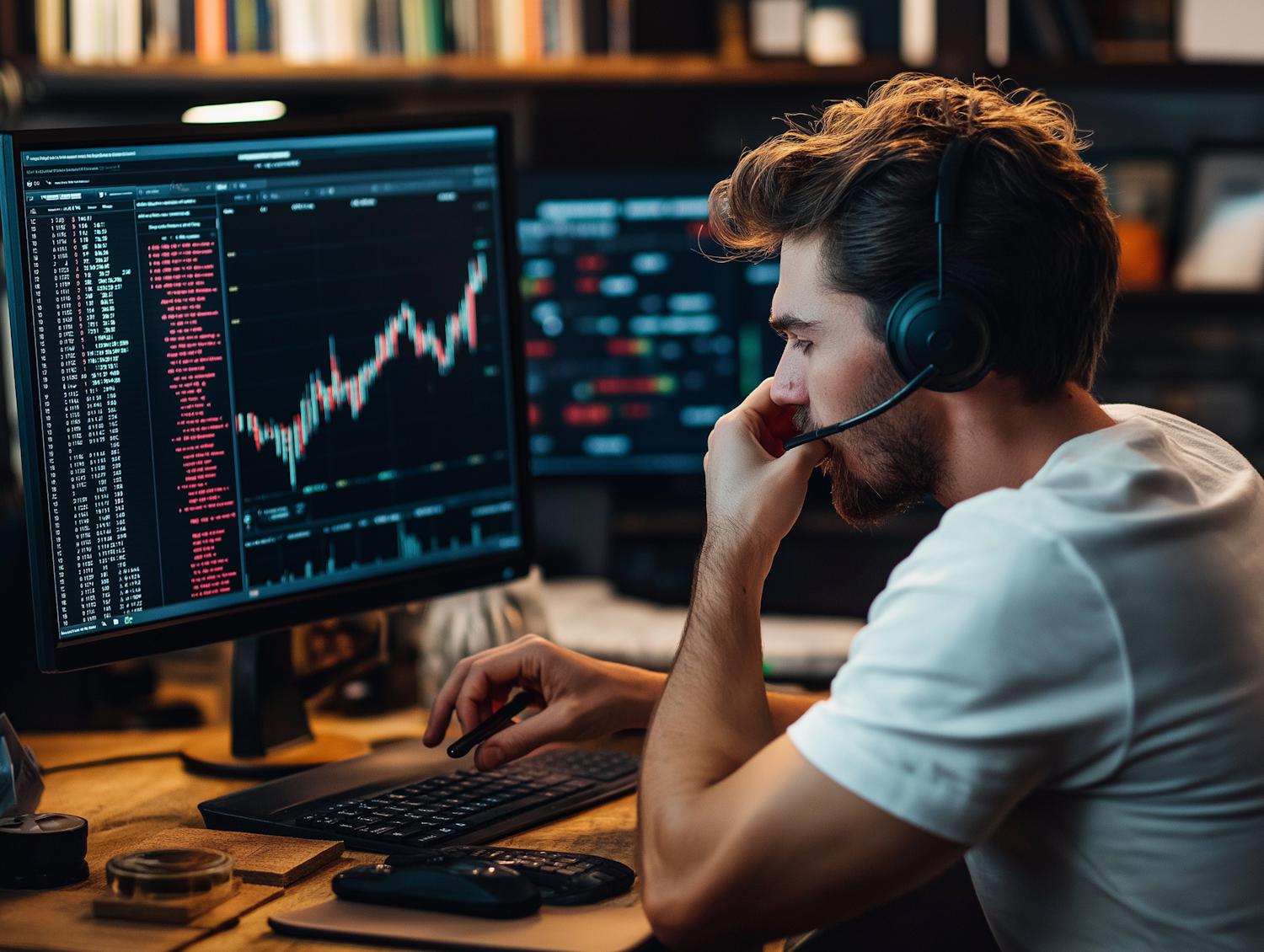
If you want more easy-to-understand advice and safety tips for navigating the crypto market, consider getting clear views of price movement and market trends with the free Clicks and Trades newsletter.
Sign up today!
Now that you’re getting good at reading AI signals, let’s talk about something important: how much these handy tools cost. An AI trading platform can be a big help, but you need to understand its price and how to pick the best one for your money. It’s like buying a new car; you want to know what you’re paying for.
Understanding Common AI Trading Platform Costs
AI for trading often comes with different price tags. Here are the main ways these services usually charge:
- Subscription Fees: This is like paying for a streaming service every month or year. Many AI trading platforms charge a set fee. For example, some platforms might ask for around $100 to $1,000 or more per month, especially for powerful AI models [kucoin.com].
Some even offer yearly plans that can save you money, like a "Standard" plan that might be $107 each month but cheaper if you pay for the whole year at once [stockbrokers.com].
- Performance Fees: Some platforms might charge you a percentage of the profits you make. So, if their ai crypto trading bot helps you earn money, they take a small cut. This can be good because they only get paid if you do well.
- Tiered Usage: Many platforms have different plans: basic, standard, and premium. Each plan offers different features. A basic plan might be cheaper but has fewer tools. A premium plan costs more but gives you access to everything, like more advanced market analysis [monday.com].
Choosing the right plan means looking at what you get for the money.
How to Compare Cost and What You Get
When you’re looking at an AI trading platform, don’t just pick the cheapest one. Think about what truly helps you.
- Try Before You Buy: Many good platforms offer trial periods. This means you can test out their features for free or at a low cost before you commit to a full plan [hyscaler.com]. Some even let you do "paper trading," where you use fake money to practice without any risk. This is a great way to see if an ai for trading fits your style without spending real money.
- Look at Simulated Results: A good trading assistant should show you how well it has worked in the past using old market data. This is called "backtesting." It helps you see if the AI’s strategies have a good track record, which adds to its value [stockgro.club].
- Check Cancellation Policies: Make sure you can easily cancel your plan if it’s not working out. You don’t want to be stuck paying for something you don’t use or like.
- Beginner-Friendly Features: For beginners, look for platforms that are easy to use, offer tutorials, and have features like simple alerts for when to buy or sell [rockflow.ai]. A platform with a clear interface and helpful learning tools provides more value, especially when you’re just starting. You can find many guides online about choosing the best AI platforms for beginners in 2026 [youtube.com/watch?v=QkK4EDI3YLM].
It’s all about finding a balance. You want an AI trading platform that has the tools you need without breaking the bank. For a simpler way to understand crypto market trends and make calmer decisions, consider checking out the Clicks and Trades newsletter. It offers clear views of price movements without the overwhelm, which can be a valuable free resource to complement any paid AI service you might choose.
When you’re ready to find an AI trading platform that fits your needs and budget, it’s smart to explore your options carefully.
Sign up for the free Clicks and Trades newsletter today to get clear views of price movement and market trends. Sign up
Summary
This article explains AI trading platforms in plain language to help overwhelmed traders make calmer, smarter decisions. It shows how these platforms gather data, run fast algorithms, and either signal trades or execute them automatically, and it breaks down the main AI types — rule-based, machine-learning, and reinforcement learners. You’ll learn what to look for when choosing a beginner-friendly platform (clear explanations, risk controls, backtesting), how to set one up safely (KYC, API keys, sandbox testing), and practical ways to interpret signals. The guide also covers common AI trading strategies, the main risks (overfitting, model drift, exchange and counterparty risk), red flags to avoid, and how pricing typically works. After reading, you’ll be able to compare platforms, start with low-risk trials, set simple safety rules, and use AI signals with more confidence.
