




Crypto Market Crash: What to Do Before You Panic Sell
April 17, 2026
by Niels from Clicks and Trades Editorial Team

Feeling Lost When the Crypto Market Crashes? You’re Not Alone
Watching the numbers on your screen plunge is scary. Your stomach drops. Your mind races with questions.

Did I make a mistake? Is my money gone? Should I sell everything now?
If this feels familiar, take a deep breath. You are not alone. That sudden, sharp drop in value a cryptocurrency market crash can cause is terrifying, especially when you’re new. The feeling of watching your portfolio go down can be paralyzing. It’s a storm of red numbers, panicked headlines, and a flood of opinions that make everything more confusing.
Here’s the thing. Most of the analysis you find about a crypto crash today is filled with complex charts, confusing jargon, and predictions that seem to contradict each other. It’s easy to feel overwhelmed, like you need a finance degree just to understand what’s happening. This noise doesn’t help you make a calm decision. It often makes the fear worse.
But what if you could understand the "why"? In any market, a crash is fundamentally a sudden, dramatic decline in prices across a major section of it. This is often driven more by collective panic and emotion than by the specific issues of individual assets. Knowing the common causes behind these cryptocurrency market crashes is the first step out of that fear. It transforms a mysterious, scary event into something you can analyze with a clearer head.
Our goal is to cut through the noise. We want to help you see the patterns, understand the triggers, and make sense of the chaos. For instance, learning the basic crypto meaning can build a foundation that makes market movements less mysterious. When you know what’s happening and why, you can move from reacting in panic to responding with a plan.
To get calm, clear guidance sent directly to you, consider joining our free newsletter at Clicks and Trades. It’s designed to help beginners navigate the market with simple, step-by-step advice. Sign up here for insights that focus on understanding, not hype.

What Exactly is a Crypto Market Crash?
Let’s break it down in the simplest way possible.
A crypto market crash is a sudden, sharp, and widespread drop in cryptocurrency prices. It’s not just one coin having a bad day. It’s when major coins like Bitcoin and Ethereum, and often hundreds of others, plunge in value very quickly over a short period. This happens across a major section of the market and is usually fueled by a wave of panic selling, where fear spreads and many people try to sell at the same time.
Think of it like a stampede. Instead of a few people walking out of a crowded room, everyone suddenly rushes for the exit at once. That’s what happens in a market during a crash.
Crash vs. Dip: Knowing the Difference
It’s important to separate a true crash from a normal market movement.
- A dip or correction is a smaller, expected decline. Prices might drop 10-20% as the market cools off after a big rise. It’s a normal part of any financial cycle.
- A crash is more severe and rapid. We’re talking about dramatic declines of 30%, 50%, or more in a very short time frame—sometimes days or even hours.
The defining feature is the intense, collective emotion driving it. As experts note, these events are often "driven by panic selling rather than specific… issues."
What a Crash Feels Like for a Beginner
If you’re new, a cryptocurrency market crash is a jarring experience. Here’s what it often looks like:
- Rapid Portfolio Decline: The total value of your investments can drop significantly in what feels like minutes. Watching your portfolio lose value faster than you can refresh the page is a scary feeling.
- A Sea of Red: Every chart and market tracker turns red. Negative percentages are everywhere you look.
- Market Panic: Your social media feeds and news headlines explode with fear, uncertainty, and doom. This noise can make the situation feel much worse than it might be, pushing more people to sell in a hurry.
A History Lesson: Crashes Aren’t New
Here’s a key point to remember: crypto market crashes are not a unique feature of digital currency. They are a historical fact of any volatile, free-market system.
Long before Bitcoin existed, traditional markets experienced the same phenomena. The famous Stock Market Crash of October 1929 marked the start of the Great Depression. The 2008 financial crisis was a modern example of a complex market collapse.
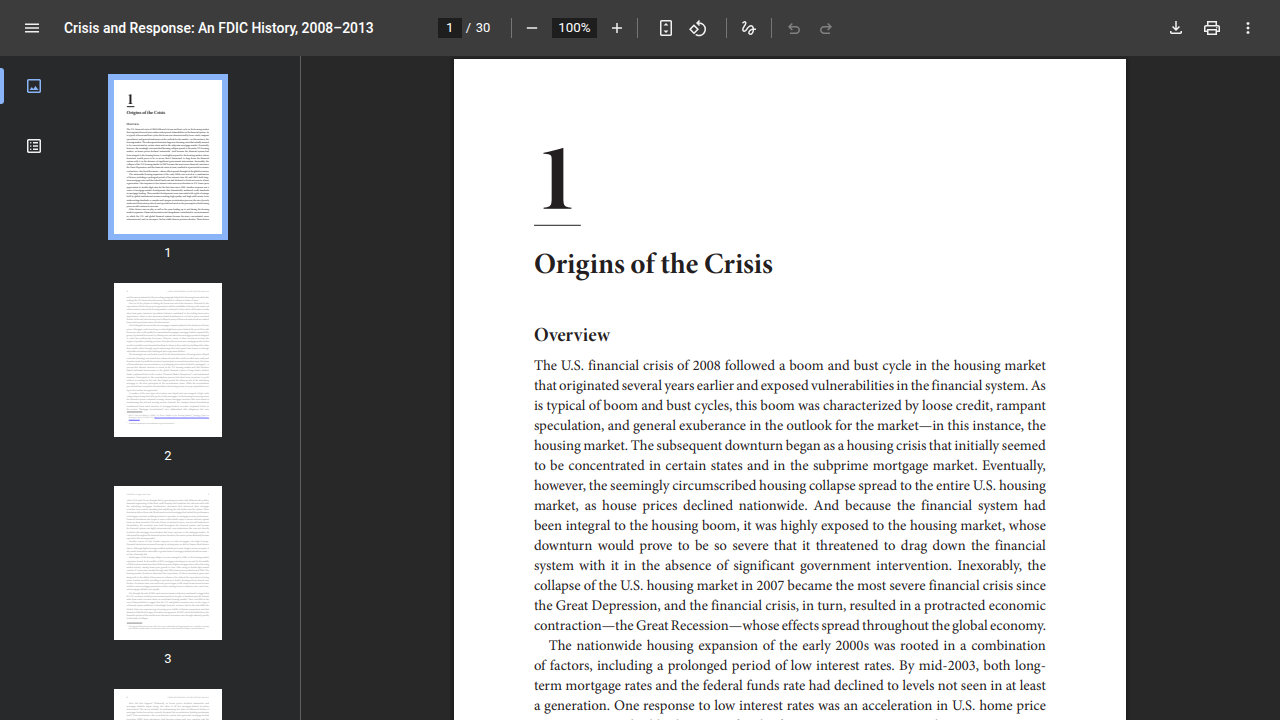
These events show that periods of financial upheaval are, unfortunately, a part of the economic landscape.
Understanding this history can be comforting. It means what you’re experiencing isn’t some strange, unprecedented crypto curse. It’s the age-old pattern of greed and fear playing out in a new market. This knowledge is power. When you see the crypto market down dramatically, you can recognize the pattern instead of just feeling the panic.
The goal isn’t to predict every crash perfectly. It’s to build the knowledge and temperament to navigate them without making fear-based decisions. For continuous, calm guidance that helps you understand these cycles, our free newsletter at Clicks and Trades is here for you. We translate market chaos into clear, actionable insights. Sign up for free to get this support delivered directly to your inbox.
Why Do Crypto Markets Crash? 5 Common Triggers Explained Simply
Now that you know what a crash feels like, the big question is: why does it happen? A cryptocurrency market crash rarely has just one cause. It’s usually a mix of several triggers that light the fuse. Understanding these can help you see the warning signs and feel less surprised when the market turns.
Here are the five most common triggers that send the crypto market down.
1. The Big Picture Economy (Macro-Economic Factors)
Crypto doesn’t exist in a bubble. It’s now closely tied to the wider global economy. When central banks, like the U.S. Federal Reserve, raise interest rates to fight inflation, it makes safer investments (like government bonds) more attractive. Money often flows out of riskier assets, including crypto. As noted in a 2026 analysis, events like new tariffs can harm economies, drive up inflation, and increase the cost of living, which pressures all risk assets, including cryptocurrencies. So, if you see headlines about high inflation or rising rates, know the crypto market often reacts.
2. Regulatory News and Uncertainty
New rules or scary statements from governments can cause instant panic. Imagine you’re running a business and suddenly hear a new law might make your work illegal or much harder. You’d be worried. It’s the same for crypto. When a major country announces a crackdown, proposes strict regulations, or even just starts an investigation, it creates massive uncertainty. This fear of the unknown can trigger a sell-off, as people wonder if their assets will lose access to key markets. For a deeper look at how regulations shape different coins, our article on what is XRP and why it exists provides a great case study.
3. The Leverage Domino Effect (Liquidations)
This is a classic crash accelerator inside the crypto world. Many people trade using borrowed money, which is called leverage. It amplifies gains but also losses. If prices start falling, these leveraged traders get automatic "margin calls" and their positions are forcibly sold (liquidated) to pay back the loans. This forced selling pushes prices down even further, triggering more liquidations in a violent chain reaction. The 2022 crash was a textbook example of this, described as a series of spectacular collapses following investment losses and widespread withdrawals.
4. Major Project or Company Failure
Trust is everything in finance. When a huge, trusted crypto company, exchange, or blockchain project collapses, it shatters confidence across the entire ecosystem. The fall of major platforms in 2022 showed how one failure can create a "run on the bank" mentality, where everyone rushes to pull their money out of similar services, fearing they’re next. These failures are often due to mismanagement, fraud, or a critical technical flaw. As one review of the 2022 collapse noted, the market was hurt by a growth in crypto-related frauds and a severe liquidity crisis.
5. Pure Fear and Herd Behavior
Sometimes, the trigger is simply… people. The market is driven by human emotion: greed and fear. When prices fall, fear spreads like wildfire on social media and news outlets. Seeing others panic sell can make you feel like you should too. This herd behavior turns a dip into a crash. Research into market crashes using Bitcoin data has shown that these events aren’t always about a change in an asset’s real value, but about sudden, collective shifts in trader psychology.
Staying calm during this noise is the ultimate skill. For clear, step-by-step guidance that helps you navigate fear and understand market cycles, our free newsletter at Clicks and Trades is designed for you. We cut through the chaos. Sign up for free to get trusted insights delivered straight to your inbox.
Crashes Within the Bigger Picture: Understanding Market Cycles
Knowing the triggers is helpful. But to really keep your cool during a crypto market down period, it helps to see the bigger picture. Markets, including cryptocurrency, don’t move in random lines. They move in cycles.
Think of it like seasons. There’s a time for growth (spring/summer) and a time for decline (fall/winter). A cryptocurrency market crash is simply the intense, often scary, "winter" part of a much longer pattern. This cyclical nature is a recognized feature of the market, as research into assets like Bitcoin and Litecoin has shown. By understanding these cycles, the crypto crash today feels less like a shocking disaster and more like a difficult but predictable phase.
Let’s break down the four main phases of a classic market cycle:
- Accumulation: This is the quiet season after a big decline. The market is flat or moving sideways. "Smart money" and patient investors are quietly buying, believing the worst is over, but most people are still scared or have lost interest.
- Markup (The Bull Run): Prices start rising steadily. More people notice and jump in, driven by optimism and stories of gains. This is the exciting "up only" period that makes headlines.
- Distribution: The party starts to get crowded. Prices are high and volatility increases. Savvy investors who bought early begin slowly selling their holdings to the enthusiastic latecomers. The mood is still positive, but the foundation is getting shaky.
- Markdown (The Bear Market or Crash): This is the phase we fear. The selling pressure overcomes buying, and prices fall. Sometimes it’s a slow bleed, and sometimes it’s a sharp cryptocurrency market crashes. Fear, panic, and the triggers we discussed earlier take over. This phase washes out weak hands and resets the market for the next accumulation phase.
When you see it this way, a crash isn’t a unique, world-ending event. It’s the stressful but natural conclusion of the distribution phase and the necessary precursor to a new cycle beginning. The environment in 2026 may be different from past cycles, with more mature infrastructure, but the core pattern of human psychology driving these phases remains.
The key is not to panic during the markdown but to educate yourself and prepare. Understanding the fundamental meaning of crypto is a great first step for building long-term perspective beyond the daily charts.
Staying calmly informed through all seasons of the market is how you build resilience. For clear, step-by-step guidance that helps you navigate these cycles, our free newsletter at Clicks and Trades is designed for you. We cut through the chaos and explain market movements in plain language. Sign up for free to get trusted insights delivered straight to your inbox.
What to Do (and Not Do) When a Crash is Happening
Watching a cryptocurrency market crash unfold on your screen is stressful. The instinct to do something, anything, can be overwhelming. This is the exact moment when knowing what to do matters most. Your actions now will define your outcome later. Let’s walk through a simple, calm plan.
Step 1: Pause and Breathe
Your first and most important step is to do nothing. Seriously. Close the app, take a walk, or have a glass of water. A market crash is a psychological event as much as a financial one. Research into investor psychology shows that during crashes, people often panic, follow the crowd, and sell at a loss, all driven by fear. Your emotions are in the driver’s seat. By pausing, you hand control back to your rational mind.
Step 2: Assess Your Situation Objectively
Once you’re calm, ask yourself two key questions:
- Are you an investor or a trader? If you’re a long-term investor who believes in the fundamentals of your assets, a crypto market down period is a temporary storm to weather, not a reason to abandon ship. If you’re a short-term trader, this is a test of your risk management rules.
- Can you afford to hold? Only use money you can afford to lose. If the money is needed for rent or bills, that’s a different conversation. If it’s truly spare capital, you have the luxury of time for a potential recovery.
Step 3: Ignore the Noise
Social media becomes a fear factory during a crypto crash today. Loud voices will scream "SELL!" or promise a "secret coin that will moon." This is the worst time to listen. The goal of behavioral finance is to spot these biases and avoid them. Mute the hype channels and turn off price alerts for a bit. For clearer, more objective chart analysis away from the social media chaos, tools like TradingView can be helpful once you’re ready to look again.
Step 4: Stick to Your Pre-Defined Plan
This is the cornerstone of surviving any cryptocurrency market crashes. Did you have a plan?
- If your plan was to "buy and hold for 5 years," then holding is executing your plan.
- If your plan included strategies like Dollar-Cost Averaging (DCA), a downturn can be an opportunity. DCA involves investing a fixed amount regularly, which helps smooth out risk and reduces emotional decisions by buying at both high and low prices automatically.

- If you didn’t have a plan, use this calm moment to make one for the next time.
Common Mistakes to Avoid (The "Not Do" List)
- Selling at the Bottom: This is the classic, costly error. Selling during panic often means locking in losses just before a potential rebound.
- Over-Leveraging to "Recoup" Losses: Trying to trade with borrowed money (leverage) to win back what you lost is incredibly dangerous and can multiply your losses.
- Abandoning Your Strategy: Jumping from your long-term plan to chasing quick rumors is how people get hurt twice.
Having a calm, trusted source of information is crucial when the market gets noisy. For clear, step-by-step guidance that helps you build and stick to a plan, our free newsletter at Clicks and Trades is designed for you. We cut through the chaos and explain market movements in plain language. Sign up for free to get trusted insights delivered straight to your inbox.
Building a Crash-Resilient Portfolio Before the Next Downturn
Knowing what to do during a crypto market crash is one thing. But the real secret to sleeping well at night is building your portfolio to withstand one before it happens. It is like building a house with a strong foundation before the storm hits, not during it. A resilient portfolio does not panic for you. It lets you stay calm and focused when everyone else is scrambling.
Here are the key principles to build yours.
Diversification 101: Don’t Put All Your Eggs in One Digital Basket
This is rule number one. Diversification means spreading your investment across different types of crypto assets. The goal is simple: if one crashes, your entire portfolio does not go down with it.
Think beyond just Bitcoin. Research from 2022 and 2023 shows that including various cryptocurrency asset categories can provide significant diversification benefits.

This might mean holding a mix of:
- Large-cap assets like Bitcoin and Ethereum (the "blue chips").
- Smaller, promising projects in sectors like DeFi or Web3.
- Stablecoins (which we will talk about next).
By diversifying, you are not trying to pick the one coin that will "moon." You are building a balanced team that can handle market volatility.
Keep "Dry Powder" Ready with Stablecoins
"Dry powder" is money you keep on the sidelines, ready to deploy when opportunities arise. In crypto, this role is perfectly filled by stablecoins.
Stablecoins are cryptocurrencies pegged to a stable asset, like the US dollar. During a cryptocurrency market crash, when prices are down 30%, 50%, or more, having stablecoins gives you the power to buy assets you believe in at a discount. It turns a scary market event into a potential opportunity. Without dry powder, you can only watch.
Position Sizing: The Rule That Protects Your Sleep
This is the most personal rule. Never invest more than you can afford to lose.
Decide what percentage of your total savings your crypto portfolio will be. For most people just starting out, this is a small single-digit percentage. This is your "position." If the market goes to zero (very unlikely for the whole sector, but possible for individual coins), your life does not change. You pay your rent, buy your food, and live your life. This rule removes fear from the equation.
Smooth Out Volatility with Dollar-Cost Averaging (DCA)
Trying to time the market is a game even experts lose. Dollar-Cost Averaging (DCA) is the simple, automatic alternative.
Instead of investing a large lump sum all at once, you invest a fixed, smaller amount on a regular schedule (like $50 every Friday). You buy more when prices are low and less when prices are high. Over time, this smooths out your average purchase price and reduces risk. It also takes emotion completely out of the decision. You just stick to the schedule. A 2024 survey found that 83% of crypto investors have used DCA, primarily to hedge against market volatility.
Secure Storage: The Foundation of Everything
None of this matters if your assets are not safe. Understanding where you store your crypto is critical.
- Custodial Storage (On an Exchange): This is when you keep your crypto on a platform like Coinbase or Binance. It is convenient for trading, but you are trusting that company’s security. It is like keeping cash in a bank’s lobby instead of your private vault.
- Non-Custodial Storage (A Personal Wallet): This is when you hold your crypto in your own digital wallet, where you control the private keys. It is the most secure method. For long-term holders of significant amounts, moving assets to a personal hardware or software wallet is a cornerstone of a resilient strategy. If you are new to buying crypto, you can learn how to buy crypto with PayPal as a first step, but always plan for where you will securely store it afterward.
Building this kind of portfolio does not happen overnight. It takes consistent learning and a calm approach. For ongoing, step-by-step guidance that helps you understand these principles without the overwhelm, join our community at Clicks and Trades. Our free newsletter breaks down market trends and safe investment strategies in plain language. Sign up today to build your knowledge and your confidence.
Lessons from History: Key Takeaways from Past Crypto Crashes
Building a strong portfolio is smart. But we can also learn a lot by looking in the rearview mirror. History does not repeat itself exactly, but it often rhymes. Past cryptocurrency market crashes teach us powerful lessons about human psychology, market cycles, and how to protect ourselves.
Let’s look at three major downturns and what they mean for you today.
The 2018 "Crypto Winter": The End of the ICO Hype
After the massive boom of 2017, the market came crashing down in 2018. This period, known as the "crypto winter," saw the total market lose about 80% of its value. A major driver was the collapse of the Initial Coin Offering (ICO) bubble, where hundreds of projects with little real use case raised money and then failed.
The Lesson: Substance Over Hype. The crash washed away projects built on promises rather than utility. The survivors, like Bitcoin and Ethereum, had stronger fundamentals and real-world use cases. This teaches us to look beyond exciting marketing and ask, "What problem does this actually solve?" Understanding the crypto meaning and its real-world utility is more important than ever.
The 2020 COVID Crash: The "V-Shaped" Recovery
In March 2020, as global pandemic fears locked down the world, the crypto market down trend was sharp and scary. Bitcoin’s price was cut in half in a matter of days. But then something remarkable happened. The recovery was almost as fast as the fall, creating a "V-shaped" chart. This bounce was fueled by massive economic stimulus and a growing narrative of crypto as a digital hedge.
The Lesson: Panic Selling Locks in Losses. Those who sold at the bottom missed the entire recovery. This crash highlighted that extreme fear can create the best buying opportunities for those with prepared minds and, crucially, some "dry powder" ready. It showed that a crypto crash today does not mean a crash forever.
The 2022 Terra/Luna & FTX Collapse: Concentrated Risk
This was a different kind of disaster. It was not a broad market sell-off at first. It started with the implosion of the Terra ecosystem, where algorithmic stablecoin UST lost its peg, erasing tens of billions in value. This contagion then exposed fatal flaws in major crypto firms like FTX, leading to its bankruptcy. A retrospective on the 2022 crypto runs describes it as a classic "run" fueled by a loss of confidence.
The Lesson: Your Assets Are Only as Safe as Where You Keep Them. This crash was a brutal lesson in counter-party risk. Keeping all your assets on a single trading platform or investing heavily in one ecosystem is incredibly dangerous. It underscores the non-negotiable need for secure, non-custodial wallets and broad diversification.
The Universal Lesson: Markets Recover, But on Their Own Schedule
Looking at a history of crypto crashes, one pattern is clear. After every major downturn, the market has eventually reached new heights. However, the time it takes varies wildly. The 2018 winter lasted years. The 2020 crash recovered in months. The key is that recovery requires patience and a long-term perspective.
The Key Takeaway for Beginners
For anyone new, the main lesson from history is this. Focus on fundamentals, not just price. Invest in projects with strong technology and teams. Use dollar-cost averaging to avoid timing mistakes. Never invest more than you can afford to lose. And always, always prioritize security. If you’re just starting your journey, you can learn a simple first step like how to buy crypto with PayPal, but always pair it with these safety principles.
History shows that cryptocurrency market crashes are painful but temporary phases for the resilient investor. The goal is not to avoid the storm, but to build a boat that can sail through it. For ongoing, clear guidance that helps you learn from the past without the overwhelm, join our free community at Clicks and Trades. We break down complex market lessons into simple, actionable insights. Sign up for our newsletter to build your knowledge with confidence.
Simple Ways to Spot Trends and Early Warning Signs
History teaches us that crashes happen. The next step is learning how to read the weather before the storm hits. You don’t need to be a fortune teller. The goal is not to predict the exact moment a crypto market crash will happen, but to understand the conditions where one is more likely. Think of it as checking the forecast before you go sailing.
Here are simple, practical ways to spot trends and early warnings.
Look at On-Chain Data: The Market’s "Vital Signs"
Beyond the hype and price charts, the blockchain itself tells a story. This is called on-chain data. It is like checking a patient’s vital signs. A great guide from the CMT Association notes that on-chain metrics are to digital assets what traditional metrics are to fundamental analysis.
Here are two simple metrics anyone can watch:
- Exchange Net Flows: Are more coins moving into or out of exchanges? A surge of coins moving into exchanges can signal that people are preparing to sell. Large movements out of exchanges into private wallets can indicate a "HODLing" mentality, which is often a sign of long-term confidence.
- Active Addresses: This measures how many unique wallets are being used on a network. A steady or growing number is a sign of healthy use and adoption. A sharp, sustained drop could signal waning interest.
You don’t need a PhD to watch these. Many free websites summarize this data in simple charts.
Listen to Market Sentiment (But Don’t Believe Everything)
Sentiment is how people feel about the market. When everyone is screaming "TO THE MOON!" on social media, it might mean we are near a peak of greed. When fear and doom are everywhere, it might be a moment of maximum fear. This cyclical pattern of emotion is a core part of the market, as studies on the cyclicality of the cryptocurrency market show.
Tools like the Crypto Fear & Greed Index can give you a simple number summarizing this emotion. Use it as a temperature check, not a trading signal. Extreme greed can be a warning to be cautious. Extreme fear might, historically, have been a time to look for opportunities.
Watch the Macro Calendar: The Big World Outside Crypto
In 2026, the crypto market doesn’t live in a bubble. It is connected to the global economy. Major news can cause a crypto market down day across the board.
Mark these on your calendar:
- Interest Rate Decisions (from the US Federal Reserve, etc.)
- Major Inflation Reports
- Large-scale regulatory announcements
A report on the 2026 crypto market outlook highlights how the economy of 2025-2026 is fundamentally different from past cycles, making these macro factors more important than ever. When these events are due, expect higher volatility.
A Critical Warning: Preparation Over Prediction
Here is the most important part. Do not use these tools to try and predict a crypto crash today. Use them to prepare.
If on-chain data looks stressed, sentiment is at extreme greed, and a big Fed meeting is tomorrow, it’s not a signal to sell everything. It’s a signal to:
- Check your portfolio’s risk.
- Make sure you’re not over-invested.
- Avoid making big, impulsive new buys.
This mindset turns fear into a plan. It’s about building that sturdy boat we talked about. For a hands-on way to practice looking at charts and data without the overwhelm, our guide on how to use TradingView for derivative trading breaks it down with simple steps.
Your Simple Monitoring Routine
You don’t need to watch screens all day. Build a simple 5-minute routine:
- Glance at a sentiment index.
- Check a summary of Bitcoin exchange flows.
- Note any major economic events this week.
This routine helps you stay informed without getting overwhelmed. It moves you from reacting to headlines to observing trends.
Spotting warning signs is about awareness, not fortune-telling. By understanding a few basic signals, you remove the mystery from market drops. You stop fearing a cryptocurrency market crash and start seeing it as a natural phase to navigate with your prepared plan.
For ongoing, clear guidance that helps you track these signals without the complexity, join our free community at Clicks and Trades. We translate market data into simple, actionable insights every week. Ready to build your confidence? Sign up for our free newsletter and get started.
Summary
This article explains what a cryptocurrency market crash is, why crashes happen, and how beginners can respond without panicking. It breaks down the difference between ordinary dips and true crashes, outlines five common triggers (macro factors, regulation, leverage liquidations, company failures, and herd behavior), and places crashes inside longer market cycles so they feel less mysterious. You’ll get a simple, step-by-step action plan to follow when prices fall—pause, assess your role, ignore noise, and stick to a predefined plan—plus portfolio rules like diversification, stablecoin dry powder, position sizing, DCA, and secure storage. The piece also reviews historical crashes to show recurring lessons and offers quick, practical ways to spot early warning signs using on-chain flows, sentiment, and a macro calendar. Overall, readers will finish with concrete habits and tools to prepare for, survive, and even take advantage of future crypto downturns.
