




Master the Lightchain AI Launch Date with Clear Steps to Invest Calmly
April 24, 2026
by Niels from Clicks and Trades Editorial Team

Why the launch date matters and how this guide helps you
Have you ever heard about a new project in the world of artificial intelligence cryptocurrencies and wondered when you could actually get involved? That’s where a "launch date" comes in. For a project like Lightchain AI, the launch date is a really important moment. It’s when the digital currency, or token, becomes available for people to buy and sell on public exchanges. Think of it like a new store opening or a new video game coming out. You need to know when it opens or launches to be able to check it out.
For everyday crypto users, knowing the exact Lightchain AI launch date is key. It helps you understand when the project truly starts its journey in the public eye. You might have seen lots of news about Lightchain AI, with reports about its presale phases and bonus rounds in 2025, where it raised over $21 million to build its decentralized AI platform, a type of distributed ledger technology that reshapes AI with smarter workloads and open innovation [source: Lightchain.ai, The AI Insider Tech]. It even had a testnet planned for Q3 2025, and its mainnet was expected in Q4 2025, though it faced some delays [source: CoinSpeaker, GlobeNewswire]. But the big news for many was its actual token launch. The Lightchain AI LCAI token officially launched on January 27, 2026, on the Uniswap exchange, after its long presale period [source: The Holy Coins].
It’s easy to get confused with all the different dates and bits of information, especially with so much "influencer noise" and complex charts out there.

You might feel worried about making the right choices or wonder if you’ve missed something important.
Here’s the thing: this guide is made to help you cut through that confusion. We’ll give you clear, simple steps to understand projects like Lightchain AI. You’ll learn how to find real launch information, what it means for your crypto decisions, and how to act calmly in a busy market. We want to help you feel more confident when you decide to invest in distributed ledger technology or any artificial intelligence cryptocurrencies. For more easy-to-understand market insights and crypto education, you can also sign up for the free Clicks and Trades newsletter, which helps beginners make calmer, more confident decisions.
To learn more about understanding your options in the crypto market, consider reading our guide on how to choose the best options trading platform for crypto.
Ready to gain clearer insights and make smarter decisions?
What is Lightchain AI? A Plain-English Overview
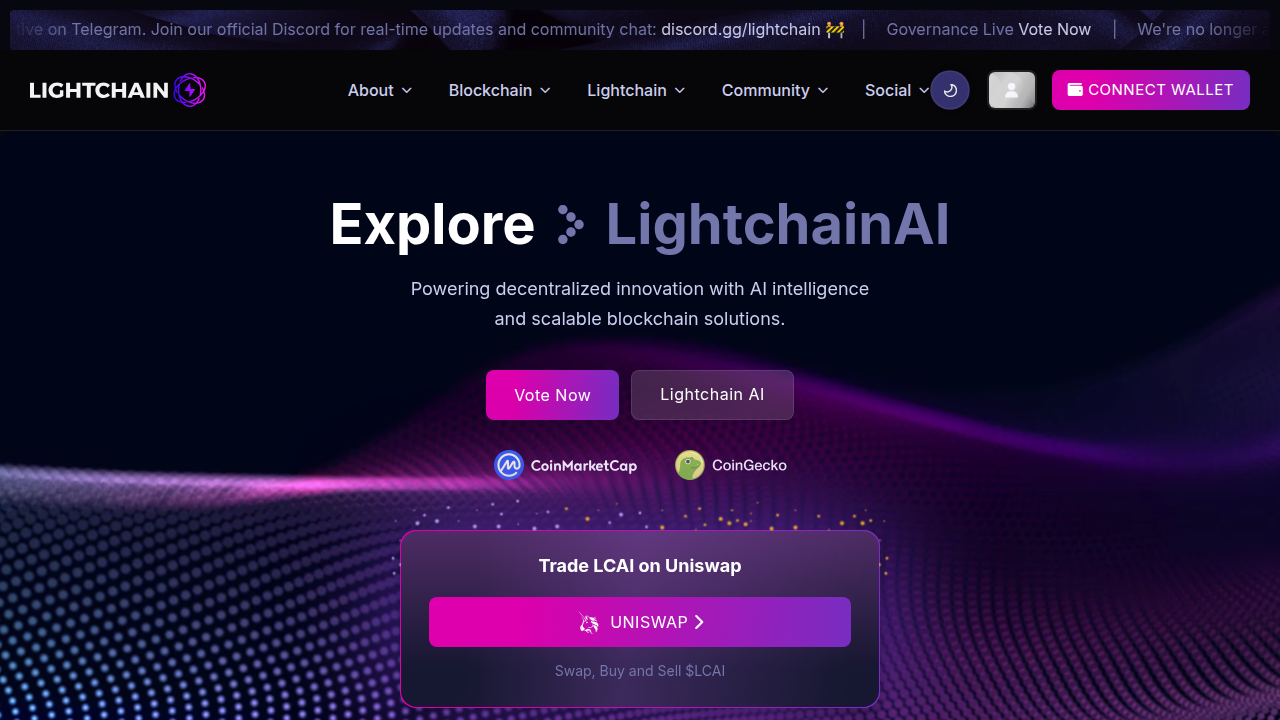
So, what exactly is Lightchain AI? Imagine a special computer brain that learns and works together with other computer brains, without any one big company being in charge. That’s kind of what Lightchain AI aims to be. It’s an important project in the world of artificial intelligence cryptocurrencies, designed to make AI smarter, more open, and fairer for everyone. Think of it as using a type of distributed ledger technology to handle powerful AI jobs in a new way, focusing on privacy for learning tasks. Their goal is to reshape AI workloads and support open innovation, according to information found on their own site [source: Lightchain.ai].
When we talk about the Lightchain AI launch date, it’s not just one single event. A "launch" for a crypto project often includes several big steps.
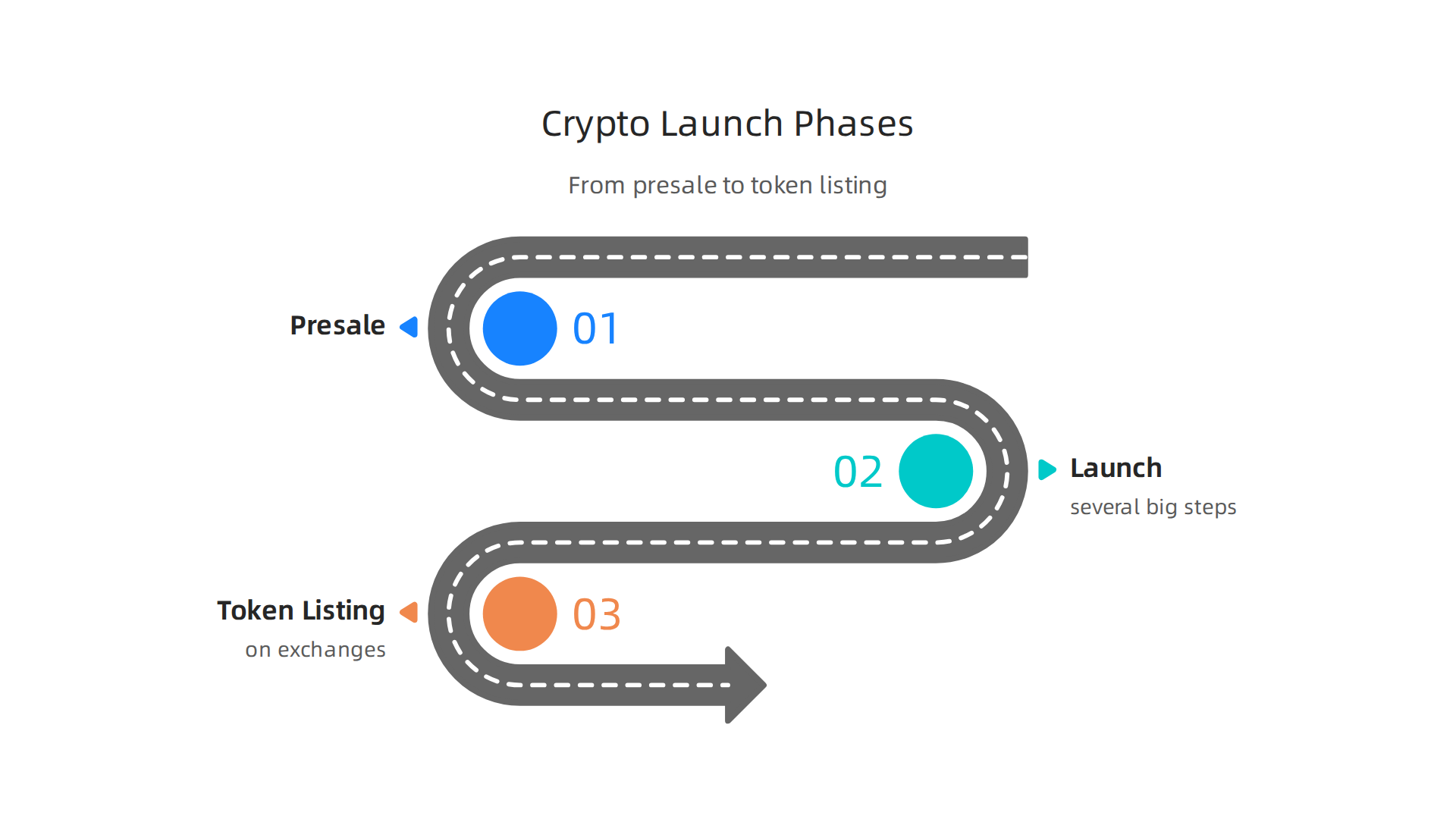
Let’s break down some common terms you might hear:
- Presale: Before a project is fully open to the public, it might offer a "presale." This is like getting tickets to a concert before they go on general sale. Early supporters can buy the project’s digital tokens at a special price. Lightchain AI had many presale phases and bonus rounds, raising over $21 million [source: The AI Insider Tech].
- Testnet: This is a "test network." It’s like a practice playground for the developers to try out all the features and make sure everything works perfectly before the real launch. Lightchain AI had a testnet planned for 2025 [source: GlobeNewswire].
- Mainnet: The "main network" is the real, live computer system where the project’s technology truly operates and processes transactions. It’s the official public version. Lightchain AI’s mainnet was expected in late 2025, though it faced some delays in development [source: CoinSpeaker].
- Token Launch (or Listing): This is usually what people mean when they ask about the "launch date." It’s the moment the project’s digital currency, its "token," becomes available for everyone to buy and sell on public crypto exchanges. For Lightchain AI, its LCAI token officially launched on January 27, 2026, on Uniswap [source: The Holy Coins].
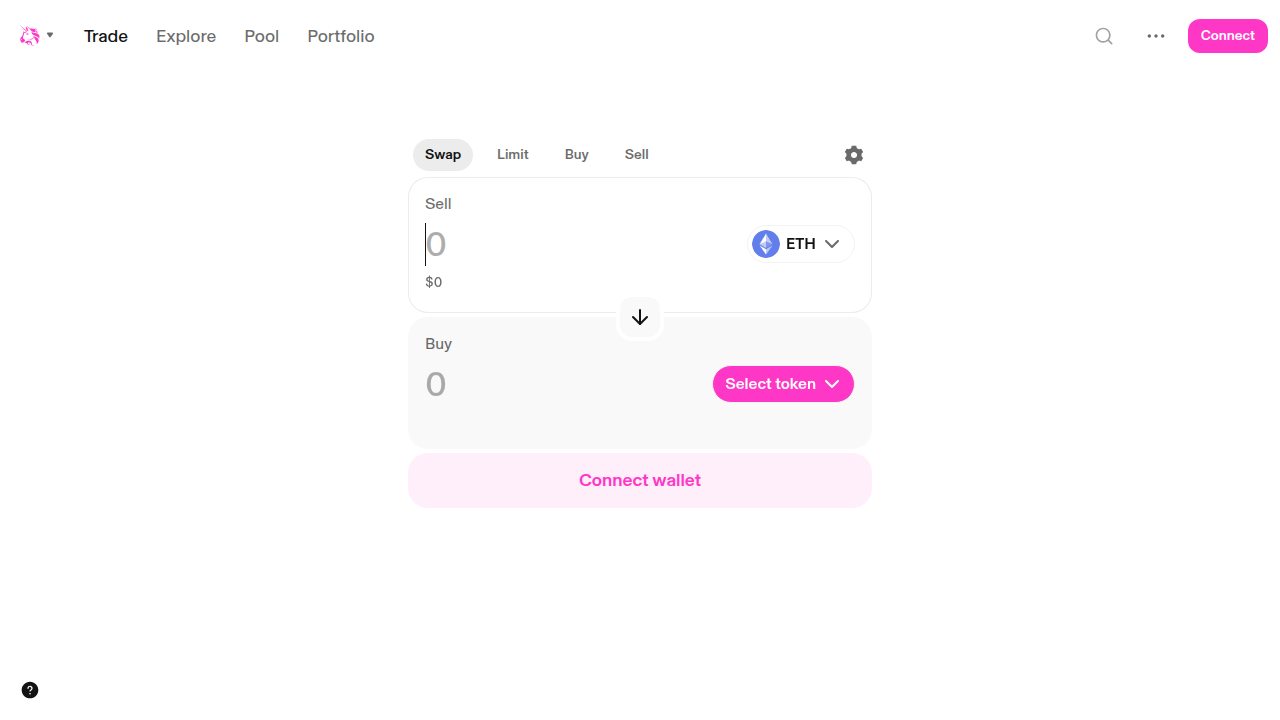
- Decentralized Exchange (DEX): Places like Uniswap are "decentralized exchanges." They are online marketplaces where people can trade cryptocurrencies directly with each other, without a central company controlling everything.
Understanding these steps helps you follow a project’s journey from idea to a real product. Many projects, like those supported by crypto startup accelerators or even a16z crypto startup school, go through similar phases. For more simple market insights and clear crypto education, consider signing up for the free Clicks and Trades newsletter. You can find more practical help there to make calmer, more confident decisions in the busy crypto market affiliate link: Clicks and Trades newsletter.
If you’re interested in learning more about how to navigate complex financial products in the crypto world, our guide on how to choose the best options trading platform for crypto can offer more insights.
Ready to gain clearer insights and make smarter decisions?
Why the launch date matters for your decisions (but shouldn’t cause panic)
A big moment like the Lightchain AI launch date can get many people excited. When new artificial intelligence cryptocurrencies like Lightchain AI (LCAI) become available on public exchanges, a lot of eyes are watching. This excitement often causes prices to move quickly, sometimes up, sometimes down. Many hopeful investors want to be part of the next big thing, especially with projects that involve cutting-edge areas like artificial intelligence, and want to invest in distributed ledger technology.
Here’s the thing: human feelings play a big part in these price swings. You might hear about a token launching and feel "Fear Of Missing Out," or FOMO. This feeling can make people buy quickly without thinking it through. Or, if prices drop right after a launch, some might panic and sell their tokens too fast. Both these reactions can lead to choices you might regret later.
It’s true that the crypto market can be very active. In 2026, for example, the global crypto adoption rate has grown, with an estimated 559 million people holding crypto worldwide [source: SQ Magazine]. Many current crypto owners even plan to buy more this year [source: Security.org]. This shows a lot of interest, but it also means there can be a lot of fast changes, especially for newer projects. Even big names like Bitcoin artificial intelligence projects can see quick changes.
So, while the Lightchain AI launch date was a big event, it’s important not to let panic or FOMO guide your choices.

Instead, try these simple steps:
- Do your homework: Understand what the project is truly about, not just what the price is doing.
- Have a plan: Decide beforehand when you might buy or sell, and stick to your plan.
- Don’t watch too closely: Constant checking of prices can make you more anxious.
- Think long-term: Many crypto investments are about what they can do over many months or years, not just on launch day.
If you ever find yourself feeling overwhelmed by market changes, our guide on what to do before you panic sell crypto can offer helpful steps. To make calmer, more confident decisions in the busy crypto market, the free Clicks and Trades newsletter can be a great help. It offers clear crypto education and simple market insights.
Ready to gain clearer insights and make smarter decisions? Sign up
How to verify a launch date: a simple trust checklist
After learning not to let feelings like FOMO guide your choices, the next step is to make sure the information you’re reacting to is true. When it comes to something like a lightchain AI launch date, knowing how to verify details is very important. This helps you avoid bad information and make smarter decisions about artificial intelligence cryptocurrencies.
Think of it like this: Before you invest in distributed ledger technology, you want to be sure it’s real and well-planned. Here’s a simple checklist to help you verify a project’s launch date and spot any warning signs.
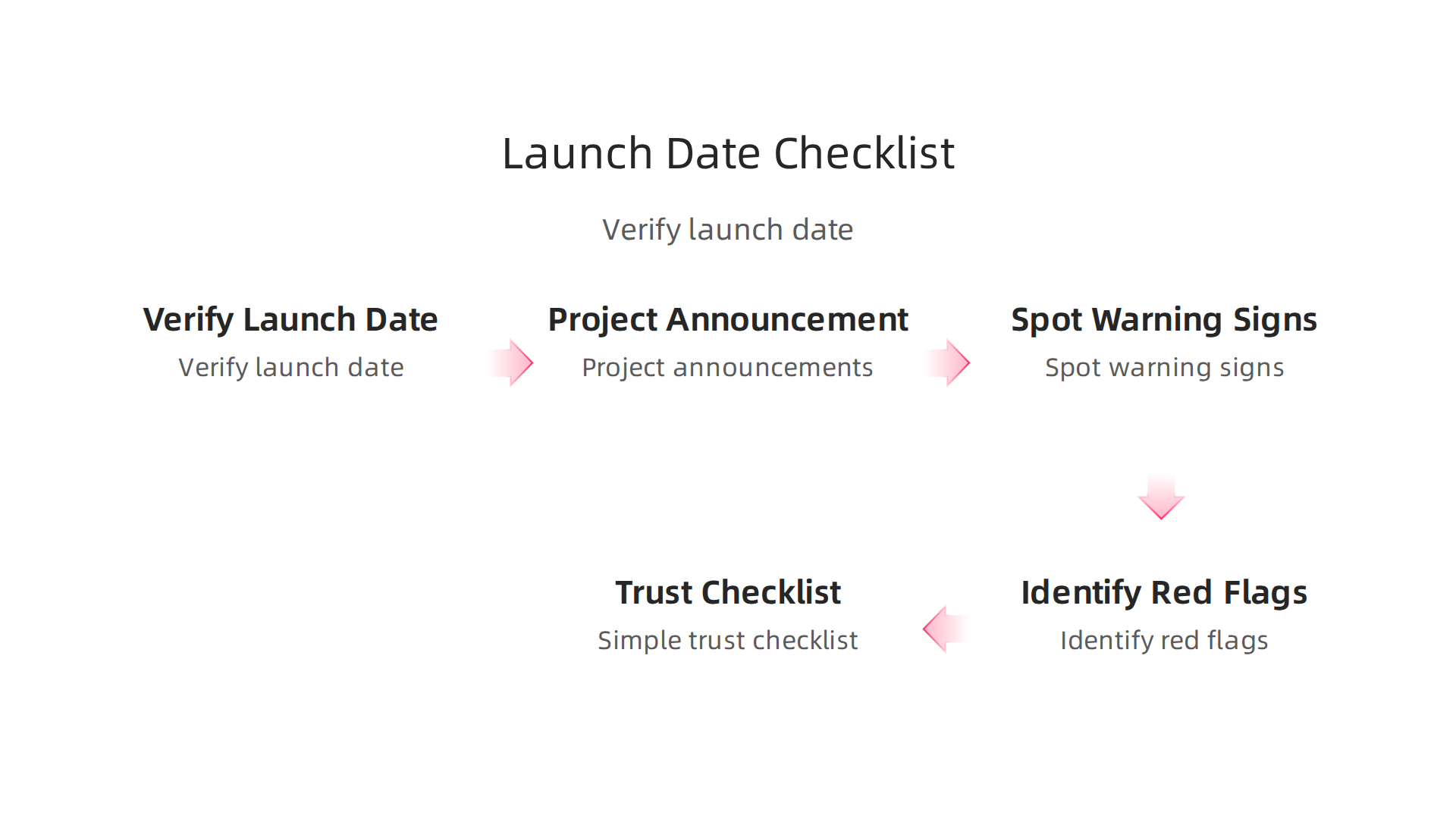
Your Trust Checklist for Launch Dates
- Check the Official Website First: Always go straight to the project’s official website. For Lightchain AI, that would be lightchain.ai. Official sites are the most reliable source for dates and announcements. For example, the Lightchain AI mainnet launch was expected in Q4 2025, but details might change, so checking directly is key [source: Coinspeaker].
- Look at Official Social Media and Channels: Does the project have verified accounts on social media platforms like X (formerly Twitter) or Telegram? Check those for announcements. Look for official news releases too. The Lightchain AI project often shared updates, like when it concluded its presale phases and launched a bonus round ahead of its testnet in Q3 2025 [source: GlobeNewswire].
- Read Reputable Crypto News: After checking official sources, look at well-known crypto news websites. They often report on big events like the Lightchain AI launch date. Just make sure the news source itself is trusted. To get good information, you can learn more about how to master crypto news aggregators for clear market insights.
- Review the Project’s Whitepaper or Roadmap: Many crypto projects have a whitepaper that explains their goals and a roadmap showing their planned steps. See if the launch date aligns with what’s written there. This shows if the team is sticking to its promises. The LCAI token itself launched on Uniswap on January 27, 2026, after a long presale [source: The Holy Coins].
Spotting Red Flags
Even with a checklist, you need to watch out for things that don’t look right.
- Different Dates Everywhere: If you see many different launch dates floating around, and none of them match the official website, that’s a big red flag.
- Announcements from Unofficially Channels: Be careful if a launch date is only announced in a private chat group or by someone on social media who isn’t officially part of the project. Always confirm with official sources.
- Too Many Sudden Changes: While some delays can happen (Lightchain AI’s mainnet launch was delayed, for instance [source: Coinspeaker]), constantly moving the date without clear reasons is a warning sign.
- "Get Rich Quick" Promises: If an announcement promises huge, quick profits right after a lightchain AI launch date, be very cautious. This is rarely how real investments work.
By following these simple steps, you can feel much more confident about the information you receive. It helps you make clear-headed choices, instead of falling for hype or misinformation.
For even more clear crypto education and simple market insights that can help you make calmer, more confident decisions in the busy crypto market, the free Clicks and Trades newsletter is a great tool.
Ready to gain clearer insights and make smarter decisions? Sign up
Influencer Noise, Misinformation, and Common Launch Scams: What to Watch For
Even after you’ve checked an official lightchain AI launch date, you still need to be careful. The crypto world, especially around new projects and artificial intelligence cryptocurrencies, can be very noisy. There’s a lot of talk from people on social media called "influencers."

While some mean well, others might share wrong information or even promote scams. This can mislead new investors who want to invest in distributed ledger technology.
The Problem with Influencer Hype
Imagine someone famous online telling everyone about a new coin launch. They might make it sound like you’ll get rich very fast. This creates a lot of excitement, or "hype." But sometimes, this hype is not based on real facts. Influencers might not have all the correct details about a lightchain AI launch date, or they might even be paid to talk about a project without telling you. This kind of noise makes it hard to see what’s true and what’s just talk. Always remember, if something sounds too good to be true, it probably is.
Common Scams Around New Launches
When a project like Lightchain AI gets ready to launch, scammers also get busy. They try to trick people who are excited and looking for opportunities. Here are some common tricks to watch out for:
- Rug Pulls: This is a very common and costly scam. Developers create a new crypto project, get people to invest, and then suddenly take all the money and disappear. This "pulls the rug out" from under investors. In 2025 alone, rug pulls cost investors around $1.8 billion, and about $3 billion every year [source: Phemex, ChainAware.ai]. For example, 95% of new liquidity pools on PancakeSwap ended in rug pulls [source: ChainAware.ai].
- Fake Airdrops: Scammers pretend to give away free tokens. They might send you a link to a fake website that looks real. If you click the link and enter your wallet information, they can steal your crypto [source: Zipmex].
- Phishing Claims: You might get fake emails, messages, or see fake websites that look just like the official project. These try to trick you into giving away your private keys or other important details. No real project will ever ask for your private keys.
- Imposter Accounts: Scammers create social media accounts that look exactly like the official project’s accounts. They might announce fake launch dates or offer "special deals" that lead to scams.
To protect yourself, always stick to the official website for any lightchain AI launch date news. Never share your private wallet keys or seed phrase with anyone. For simple steps to evaluate any crypto project, you can learn how to perform a basic Melania crypto coin evaluation.
Many tools exist today to help spot scam tokens and rug pulls. You can use these to check if a token is legitimate before you put your money in [source: Plisio]. Being careful and checking everything yourself is the best way to avoid these traps.
Getting clear, easy-to-understand information about crypto can make a big difference. If you want to cut through the noise and get reliable market insights, consider signing up for the free Clicks and Trades newsletter. It helps you make calmer, more confident decisions.
Ready to gain clearer insights and make smarter decisions? Sign up
It’s smart to have a plan when thinking about a lightchain AI launch date. The crypto world can be tricky, as we just talked about. Scams and too much noise can make things confusing. But with a clear plan, you can make smarter choices. Here are 6 easy steps for beginners like you.

1. Do Your Homework
Before you even think about putting money into a new project, learn about it. What is the project? How does it use artificial intelligence cryptocurrencies? Who are the people behind it? Good projects often have a clear goal and a team that’s easy to find. Think of it like a startup getting help from places like a16z crypto startup school or crypto startup accelerators. They have a real purpose, often to help us invest in distributed ledger technology in new ways. Look for official websites, whitepapers, and roadmaps to understand what they’re building [source: Vocal.media].
2. Double-Check Everything
Once you’ve done your homework, check if the information is real. Scammers make fake social media pages or websites. Always go to the official project site for the correct lightchain AI launch date and other news. Use tools designed to spot fake tokens and common crypto scams in 2026 [source: Plisio]. This helps you avoid losing money to things like rug pulls or fake giveaways [source: Phemex]. To learn more about checking a project’s worth, you can read about Melania crypto coin evaluation.
3. Decide Your Risk
Before the launch, think about how much money you are okay with losing. Crypto can be very up and down. Never invest money you need for daily life. Only use money you are truly fine with losing if things go wrong. This is called "risk-sizing." It means you decide on a small amount that won’t hurt you if the investment doesn’t work out.
4. Watch the Market Closely
Around the actual lightchain AI launch date, keep a close eye on the market. Don’t let excitement or fear make you rush. Look at how other cryptocurrencies are doing, like even general trends in bitcoin artificial intelligence. Simple tools can help you track prices and trends without getting overwhelmed [source: CoinGecko]. Getting clear insights from trusted sources can really help you stay calm.
For simple, easy-to-read market trends and insights, many beginners find the Clicks and Trades newsletter helpful. It cuts through the noise and delivers clear signals right to your inbox, helping you make sense of what’s happening.
5. Act Calmly
When it’s time to make your move, whether buying or selling, stick to your plan from step 3. Don’t chase sudden price jumps. If you planned to buy a certain amount at a certain price, follow through. Rushing can lead to mistakes. Remember, slow and steady wins the race, especially in crypto.
6. Look Back and Learn
After the launch, take some time to think about what happened. Did your plan work? What did you learn? Did you stick to your risk limits? Every launch is a chance to learn more. Even if things didn’t go as planned, you gain valuable experience for next time.
Following these steps helps you stay safe and smart in the exciting world of artificial intelligence cryptocurrencies. Being prepared is the best way to protect your money.
Want to get clearer insights and make smarter decisions in crypto?
Sign up
Okay, you’ve got a plan. Now, how do you actually watch the market without getting confused or scared by all the crypto talk? It’s simple. You just need the right tools and a smart way to use them. This is especially true when a big event like a lightchain AI launch date is coming up.
Tools and signals simplified: how to monitor the launch without getting overwhelmed
The crypto world can feel like a noisy place, with lots of information flying around. But you don’t need fancy skills to keep an eye on things. We’ll look at easy ways to track what’s important for artificial intelligence cryptocurrencies and other digital assets.
Your Go-To Tracking Tools
Think of these as your simple helpers for watching the market:
- Official Project Calendars and Websites: Always start here. The team behind a
lightchain AI launch datewill put all the important news and dates on their official website. Many crypto projects also have public roadmaps or calendars showing when things will happen. This is the best place to find out about new features or when you caninvest in distributed ledger technologyprojects. - Basic Crypto Trackers: Websites like CoinGecko and CoinMarketCap are great for beginners in 2026.
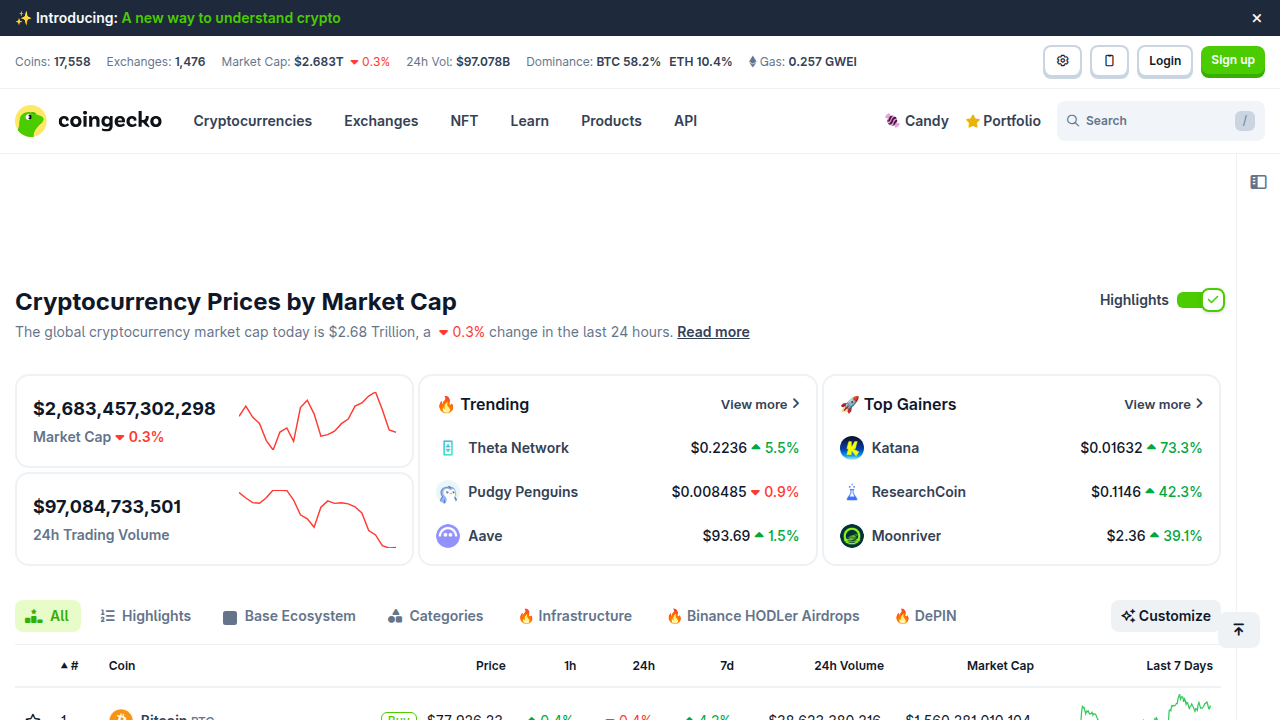
They let you see prices and market trends for many artificial intelligence cryptocurrencies, including bitcoin artificial intelligence projects [source: Altfins]. You can see how much a coin is worth and how that value has changed over time. These are free and simple to use.
- Official Social Media and Forums: Many projects use platforms like Twitter, Telegram, or Discord to share updates. But be careful! Only follow the official accounts. These are usually linked directly from the project’s main website.
Setting Up Simple Alerts
You don’t need to stare at your screen all day. You can set up alerts to tell you when something important happens:
- Price Alerts: Most crypto tracking apps and websites let you set a price alert. For example, you can ask for a message if a certain coin goes above or below a price you pick. This helps you stick to your plan from before the launch.
- News Alerts: Some tools or even Google can send you a message when new articles or official announcements come out about a project you’re watching. This helps you get real news fast.
What NOT to Track to Stay Calm
Here’s the trick to not getting overwhelmed: know what to ignore.
- Skip the Social Hype: Don’t get caught up in rumors or big promises from random people on social media. Many people online are just guessing or trying to get attention. These kinds of unverified claims can lead to bad choices. Always wait for official news.
- Avoid Too Many Charts: While charting tools can be helpful, for beginners, looking at too many complex charts can just cause confusion [source: CoinTracker]. Focus on the big picture and official announcements, not every small wiggle in the price. If you want to dive deeper into understanding market signals, learning about crypto news aggregators can be a smart next step.
By focusing on official sources and using simple tools, you can stay informed without feeling stressed. It’s about getting clear signals, not more noise.
For easy-to-understand market insights that cut through the noise, many beginners find the Clicks and Trades newsletter helpful. It delivers clear signals right to your inbox, helping you make sense of what’s happening in the world of artificial intelligence cryptocurrencies. You can check it out here: Clicks and Trades.
Want to get clearer insights and make smarter decisions in crypto? Sign up
Regulatory and legal points to keep in mind around launch dates
The world of crypto, including exciting areas like artificial intelligence cryptocurrencies, is still growing and changing. Because it’s new, governments and rule-makers are working hard to create clear rules. This is important because good rules help keep things safe and fair for everyone. When a lightchain AI launch date is coming up, knowing about these rules can help you understand if a project is trustworthy.

In 2026, we see more efforts to make crypto clearer. For example, the Securities and Exchange Commission (SEC) has shared information to help people understand how federal securities laws apply to digital assets, even to specific kinds of "governance tokens" that let people vote on project changes [source: SEC Clarifies Application of Federal Securities Laws to Crypto, SEC Application of Federal Securities Laws]. Other groups, like the Commodity Futures Trading Commission (CFTC), have also started programs for digital assets [source: CFTC Opens the Door to Digital Asset Collateral]. This means that projects launching today must think about these rules more than ever before.
What Makes a Crypto Launch Look Good (and Bad)
When you want to invest in distributed ledger technology projects, especially new ones, how a project handles regulations is a big deal.
- Signs of a good launch: A strong project will talk openly about how it follows rules. They might share information about legal advice they’ve received or how they plan to meet government standards. They will also have a clear team and a well-explained plan for their technology. Groups like
a16z crypto startup schooland othercrypto startup acceleratorsoften teach new projects how important these legal steps are. - Red flags to watch for: Be careful if a project makes promises that seem too good to be true, like guaranteeing huge profits. Also, if a project doesn’t share much about its team, has a very vague plan, or can’t show how it’s following rules, that’s a warning sign. Unclear legal details or claims of being fully regulated without any proof are also things to be wary of [source: Alston & Bird].
Your Simple Actions for Safety
You don’t need to be a lawyer to stay safe. Here are some easy things you can do:
- Check Official Websites: Always go to the project’s official website for information. Look for sections about legal details, terms of service, or how they follow rules. If you’re looking into an
artificial intelligence cryptocurrenciesproject, make sure their claims line up with industry standards. - Avoid Unverified Claims: Don’t trust rumors or claims from random social media accounts. Always wait for official announcements.
- Do Your Own Homework: Before you do anything, try to learn more about the project yourself. You can compare it to other projects, like how you might evaluate a new coin such as a Melania crypto coin.
- If Something Feels Wrong, Stay Away: If a
lightchain AI launch dateproject seems fishy or has too many red flags, it’s best to not get involved. It’s always better to be safe than sorry. - Report Serious Problems: If you come across something very suspicious that looks like a scam or illegal activity, you can report it to the proper financial authorities in your country.
Remember, the crypto market in 2026 is becoming more structured, with many agencies working to clarify rules for digital assets [source: KPMG International]. Being aware of these points helps you make smarter choices and avoid projects that might not be playing by the rules.
For more clear market insights and guidance on making sense of the crypto world, many people find the Clicks and Trades newsletter very helpful. It cuts through the noise and provides simple, actionable steps.
Want to get clearer insights and make smarter decisions in crypto? Sign up
Summary
This article explains why a project’s launch date—using Lightchain AI as a case study—matters for everyday crypto users and how to act without panicking. It defines common stages like presale, testnet, mainnet and token listing, and notes that Lightchain AI’s LCAI token launched on Uniswap on January 27, 2026 after an extended presale. The guide shows how to verify launch information through official websites, social channels, reputable news, and whitepapers, and highlights scams to watch for such as rug pulls, fake airdrops, phishing and imposter accounts. You’ll get a practical six-step plan for preparing, risk-sizing, monitoring and reviewing your choices, plus simple tools (price and news alerts, CoinGecko/CoinMarketCap) to follow a launch calmly. The article also covers basic regulatory signals to look for and gives a short checklist to spot red flags. Overall, readers will learn how to find reliable launch dates, avoid common traps, and make more confident, measured decisions around new AI-focused crypto projects.
